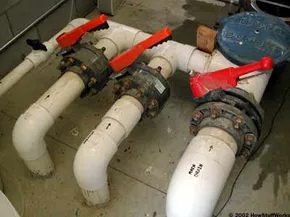
When most homeowners look at a swimming pool, they see a large hole in the ground filled with blue water. They don’t see the expensive machinery humming in the pump room. But hidden gear is the only way to keep the water safe and clear. Without it, your backyard retreat would turn into a stagnant pond.
The core of the system is the pool pump system. It sounds simple, but the internal design is sophisticated. The electric motor rotates the impeller inside the pump housing. This rotating impeller creates the suction and pressure needed to move the water. It draws water from the main drain, forces it through a filter to remove particles, and pushes it back out through the water inlets.
The water must pass through the gatekeeper before it enters the pump. There is a metal strainer basket in front of the water inlet. Its job is to capture leaves, twigs and large debris. If the basket becomes blocked, the pump cannot breathe. The water flow stops. The filter pressure spikes. The entire system shuts down.
You may wonder why so many moving parts are needed to keep the water circulating and flowing. The answer lies in hygiene and clarity. The pump provides the necessary speed for the filter to work efficiently. Without this speed, dirt settles. Bacteria multiply. The strainer basket can handle large items, so a finer filter media will handle the rest. This is a division of labor to keep the water potable by swimming standards.
If you hear a rumbling sound from the pump room, remember that it is the heartbeat of the pool. If you ignore it, the heart stops.
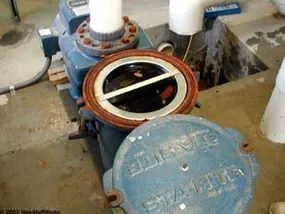

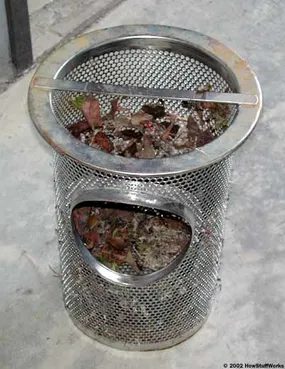

If the water starts in the beginning, it won’t go away. is sent directly to the filter. This setup has a dual filter arrangement. That means one of two units will take the hit right now.
Where does the water go next?
The journey does not end here. The next section details what’s happening inside the filter housing. You’ll see how the media traps dirt, chlorine, and anything else you want to remove. This is not magic. It’s just Physics and Chemistry working together.
Water flows to the filter (or to one of the two filters in this installation). In the next section, you will learn what is happening within the system at this point.
If you install it yourself, be careful with the flow direction. The arrows on the case usually point in the direction. Get it backwards, and you’re just pushing water through a rock. Not ideal.


