It wouldn’t be Thanksgiving without the bird. It’s the heart of the meal, the reason you’re at the table for four hours, and the reason you’re wearing sweatpants at 2 p.m. This tradition dates back to 1621, when Pilgrims and Native Americans shared a harvest feast. We’d like to imagine it was a turkey. Probably not. Historians believe they ate duck, goose and perhaps venison. But the turkey stuck.
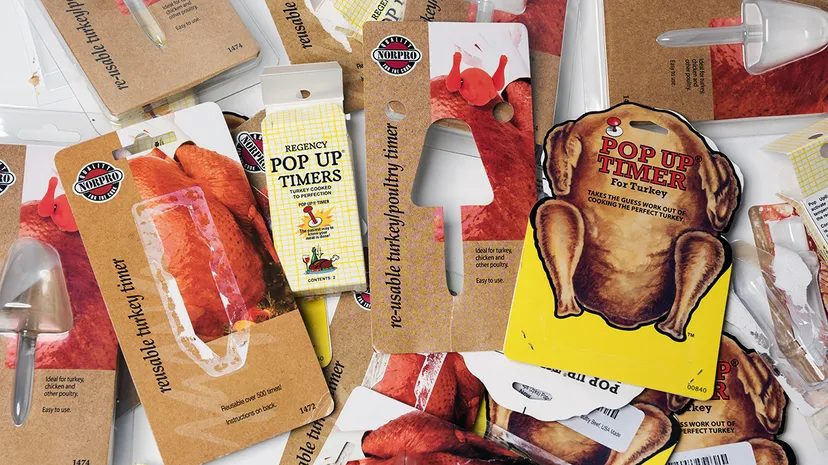
Today, millions of Americans celebrate the holiday by roasted or fried this big bird. We use crutches because cooking massive poultry carcass from raw to safe is a gamble. A little plastic gadget. The pop-up timer.
It is attached to a turkey leg. Put it in the oven. You wait. You worry. Then pop. The red stick rises. You take the bird away. That’s it!
It feels like magic. It’s not. It’s physics and metal, and it’s also dangerously inaccurate.
Зміст
Mechanism inside the plastic shell
So how does the timer know when the turkey is done? It doesn’t “know” anything. It reacts.
This device is basically a small thermometer. Inside the small nub of plastic is a small metal spring. This spring is designed to hold the indicator pin down until a certain temperature is reached. The temperature is set to 180°F (82 degrees Celsius).
When the internal temperature of the turkey reaches this level, the metal spring weakens. It loses its tension. The pin releases. It pops up.
Pretty simple, right?
It’s not.
Because the 180 degree threshold is a problem.
Why 180 degrees is wrong
Most poultry experts agree that turkey is safe to eat at 165°F (74 degrees Celsius). This is the USDA recommendation. At 165, the bacteria die. Meat is safe.
However, the popup timer is set to 180.
That’s a 15 degree difference. In the world of cooking meat, 15 degrees is everything.
At 180, the turkey’s muscle fibers shrink significantly. I squeezed a lot of juice. result? The brisket was dry, tough and overcooked. I want a moist bird. You have leather.
Timers do not measure safety. It’s measuring dryness.
The real way to Check Doneness
If you really want to know when your turkey is done, you need to stop trusting the red stick.
Use a meat thermometer. Not the pop-up kind. An instant-read digital probe. Stick it into the thickest part of the breast, avoiding the bones. Pull it out when it reads 165. If you are cooking dark meat, you can set it a little higher to 175 to make it more tender. But the breast? The goal is 165.
Remove the bird from the oven at 160. Let it rest. The temperature will climb another 5 degrees while it sits. This is called carryover cooking. This is normal. It is very safe. And it keeps the
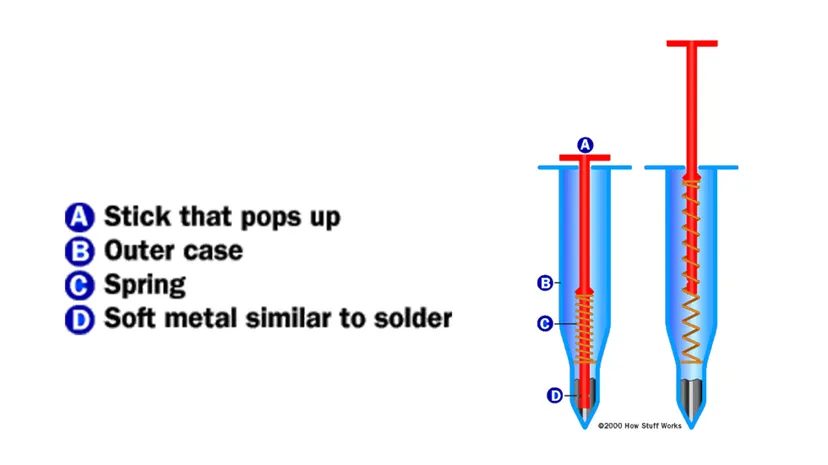
How the #Turkey popup timer really works
Most grocery store turkeys already have a plastic stick stuffed inside the bird. If you trust it, you don’t need a separate thermometer. It is done when the red tip pops out. It’s very simple. It is very convenient. But it relies on a little mechanical trick that most people will never understand.
The device has four main components hidden inside a plastic case.
- red indicator stick
- White or light blue case
- compression spring
- Small pieces of soft metal alloy
That piece of metal is the key. It is solid at room temperature. It holds the stick down. When the internal temperature reaches 165 degrees Fahrenheit (73 degrees Celsius), the metal melts. It will become liquid. The spring, which has been compressed the whole time, suddenly has nothing holding it back. It snaps the red stick upward. You will see a red tip. You know the turkey is safe to eat.
If your turkey doesn’t have a timer, you’ll need a meat thermometer. Insert the probe into the thickest part of the breast and the innermost part of the thigh. Do not touch the bones. Bone conducts heat differently, which can lead to false readings. If the thermometer reads 165 degrees Fahrenheit, you’re good.
There is a trick that most people don’t notice. These timers are technically reusable. Dip the plastic tip in hot water to remelt the metal. You can return it to its original position by push the stick back down. Allow to cool. The metal solidified again. The stick stays down. You can use the same timer for the next bird. This is a fun party trick. This is technically true, although plastic cases deteriorate with repeated heating.
Related topics
- How a thermometer Measure Heat
- History of Thanksgiving
- Why eating turkey makes you sleepy
- Thaw the turkey safely
Source
Krulwich, Robert. “First Thanksgiving dinner: no turkey, no ladies, no pie.”NPR. 23 November 2011