
Let’s be real. Some of the tools we rely on to make life easier are absolute environmental disasters. They’re loud, they smell terrible, and they pump pollutants directly into the air. But the tide is turning. As the demand for eco-friendly products explodes, a new wave of green power tools is hitting the market. These aren’t just niche gadgets; they’re practical solutions for homeowners who want to lower their electricity bills, stop draining fossil fuels, and spare their lungs from toxic fumes.
We’re looking at tools that use cleaner energy. The result? Quieter operation, less environmental damage, and sometimes, even savings at the pump. Let’s dive into the top options.
Зміст
Cordless Chain Saw
Gas-powered chain saws are the big guns for cutting large logs, but they’re notorious polluters. The fuel mixture they burn creates emissions so potent that they violate state pollution laws in some areas. If you’re dealing with significant wood-cutting jobs but want to avoid the guilt and the noise, look at electric alternatives.
An electric chain saw runs on power cords or batteries, meaning zero fumes. You can actually use one indoors without holding your breath. They’re also lighter and significantly quieter than their gas-guzzling cousins. No more wrestling with carburetors or running out of gas halfway through a cut.
For maximum flexibility, consider a rechargeable chain saw. Modern designs often feature 18-volt lithium-ion batteries or interchangeable nickel-cadmium options. These cordless models pack enough punch for most residential tasks while keeping the weight down and the noise level manageable.
Battery-Operated Drill
Dragging a power cord across the garage floor is a tripping hazard and a nuisance. A cordless drill solves that problem. It frees you from the tether, offering mobility and surprising power while using far less energy than a hardwired equivalent.
When shopping, don’t just look at the drill. Look at the kit. Many come with multiple bits, but the real value lies in the batteries. Opt for kits with two interchangeable rechargeable batteries so you can swap one out while the other charges. To maximize runtime between charges, check the amp-hour (Ah) rating. Higher Ah means more power storage and longer work sessions.
Tip: Look for a drill with an attached LED work light. It sounds minor, but illuminating your drill bit makes precision work infinitely easier.
Green Mower
Mowing is often less of a chore and more of a workout, especially if you’re pulling a starter cord in the heat. But the environmental cost of a gas mower is staggering. Danny Lipford, a home improvement expert, notes that one hour of mowing emits the same pollution as driving a car 250 miles. Furthermore, over 17 million gallons of gas are spilled annually just refueling lawn equipment—a spill volume that dwarfs the Exxon Valdez disaster. Gas mowers account for nearly 5% of U.S. pollution.
Switching to a green lawn mower drastically cuts your carbon footprint. Electric mowers are the direct replacement. They eliminate emissions and spill risks entirely. They’re also quieter, which neighbors will appreciate. The catch? Corded electric mowers are limited to about 100 feet from a power source. Maneuvering around a cord on a large lawn can be tedious.
If you have a bigger yard, go cordless. Battery-powered riding mowers are becoming common. For those who want zero emissions and zero fuel costs entirely, the old-fashioned push mower is making a comeback. Modern designs have lighter blades and better ergonomics, making them easier to push than heavy gas models, all while giving you a legitimate workout.
Eco-friendly Lawn Trimmer
Gas trimmers are handy, but they emit oily fumes and require a mix of oil and gas that can be messy. Enter the propane-powered trimmer. These are gaining popularity for good reason. You don’t have to deal with clogged lines or the frustration of a cold engine that won’t start. Propane trimmers fire up instantly.
Propane is also safer for the soil and groundwater. If you spill it, it doesn’t linger or caustically damage the environment like gas might. For convenience, look for models with swappable propane tanks. A single tank can last about two hours. Swap it out, and you’ve got four hours of continuous trimming.
Cordless electric trimmers are also a strong contender. Lithium-ion batteries in these units can run for up to 45 minutes on a single charge, which is plenty for most perimeter trimming jobs.
Solar Panel
For the ultimate in energy independence, solar panels are the gold standard. They harness the sun, a renewable source that is as clean as it gets. While we usually think of solar panels for whole-home electricity, their application is expanding.
They now power lights and heat water in hot tubs and pools. More relevant to DIYers, companies are developing solar chargers specifically for green power tools. As the technology advances, you may soon be able to recharge your tools in minutes using a portable solar array. If you’re handy with wiring, you can even build your own solar-powered hand tools, creating a completely self-sufficient workflow.
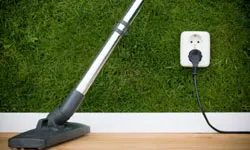

Heavy capsules with cables are no longer needed. If your daily cleaning ritual involves wrestling with a big machine, you’re not alone in thinking there has to be a better way. The move to lightweight, rechargeable electric brooms and vacuum cleaners isn’t just a trend—it’s a practical response to how we live in our homes today.
These smaller units are easier on your back. They can be pushed under low furniture without having to disconnect long hose connections. Most electric brooms have a swivel head that stays flat on the floor when the handle is turned, allowing you to slide under sofas and buffets with little effort.
Wireless models increase user comfort. No more searching for an outlet or tripping over cables. Just pick it up, clean it and put it back in the charger. This change not only saves energy and lowers your electricity bill; This makes routine tasks like picking up crumbs feel less like work.
Embracing the Best Home Cleaning Solutions
For many homeowners, finding the right balance between performance and portability is critical. Rechargeable electric brush removes daily dust and dirt easily. It doesn’t replace intensive deep cleaning once a year, but it is enough for more than 90% of your cleaning needs. The smaller weight puts less strain on the shoulders and back, which makes it easier to clean and tidy the stairs quickly.
Work the Critters
Gardening often feels like a struggle, but nature has provided unexpected allies. Aphids are a common enemy of gardeners because they reproduce quickly and drain plant juices, leaving behind harmful residues. While pesticides are a common solution, they often kill the very predators that keep aphid populations in check.
Insects can be powerful gardening tools. Ladybugs, with their distinctive red and black shells, are aggressive hunters. One ladybug can eat more than 5,000 aphids in its lifetime. They also fight against mealybugs. Predatory mites help control spider mites and earthworms naturally cultivate your soil. Sometimes the most effective pest control is already living in your garden.
Clothesline

We used to hang wet sheets on a line in the garden. It was normal. Then the electric dryer took over. It’s easier. When the wind picks up, you don’t have to chase shirts down the driveway. You don’t have to worry about rain ruining the cycle.
But the line is making a comeback. Not as a chore. As a strategy.
People want to reduce energy consumption. They want lower bills. A retractable line costs about $13. Forty pins? Less than two dollars. After a few loads, you break even. Math works fast.
There is a benefit to the fabric, too. Sunlight kills bacteria better than heat. Clothes will last longer if you avoid the tumble dryer. And you don’t need scented sheets to cover the smell. The air just smells like air.
Why refurbished tools beat new ones
If you need a drill or saw, don’t just buy a shiny box. Look for refurbished models. Manufacturers call them reconditioned. These are tools that have returned. They have been fixed.
When you buy from the manufacturer or an authorized dealer, you get a unit rebuilt to spec. It’s almost new. Often the same warranty as the retail version is valid.
Good for the wallet. You save 30-70 percent compared to the new price. It’s also good for the planet. They recycle materials instead of mining new ones.
Rental option
Buying isn’t the only way to get the tool you need for a specific task. Rentals exist for a reason. You won’t need a pressure washer for the rest of your life. You need it for the weekend to clean the driveway.
Check your local hardware stores. Many have rental desks. You pay by the hour or by the day. You give it back when you’re done. No storage space required. No rusting in the garage.
Think about what you actually use. Stick to the basics. Rent special equipment. It keeps the toolbox small and costs low.
The line stays put. The tools are on the shelf. Or it sits in your neighbor’s shed. Either way, you’ll spend less.

Stop buying, start borrowing
When budgets are tight, the price of the entire workshop no longer seems like an investment, but a burden. Power tools are expensive. Maintenance adds up. Fasteners break. Batteries die. If you only use a circular saw once a year, why should you own one?
There is a smarter way. Rent. Or swap.
Renting is not just about saving money. It’s a practical way to use environmentally friendly tools. Borrowing instead of buying new means there are fewer tools in the global supply chain. Fewer tools in circulation means fewer tools end up in the landfill. This approach is ideal for specialized equipment that sits unused for months at a time.
Swapping takes it a step further. Neighborhoods and friend groups make up tool libraries. Everyone buys a few key products. You get the drill. The neighbor gets a sander. You swap when projects overlap. It reduces consumption without having to own every device.
Not all tools have an eco-friendly equivalent, but reducing your footprint is possible. You just have to be willing to ask for help.
For more information on green building and sustainable tool selection, see the resources linked on the next page.


