For years, open-plan living spaces were the standard in modern home design—bright, airy, and seemingly ideal for social gatherings. However, a shift is underway. While not disappearing entirely, the preference for deliberately separated zones within a home is growing, driven by changing lifestyles and a renewed appreciation for functional flexibility.
The Pandemic’s Influence and the Desire for ‘Away Spaces’
The surge in remote work and increased time spent at home during the COVID-19 pandemic fundamentally altered how people interact with their living spaces. Designer Melanie Grabarkiewicz notes that homeowners, having created dedicated “away spaces” like home offices, reading nooks, or cozy lounges during lockdowns, now seek to retain that separation even as social life normalizes.
“Homeowners still want that sense of connection—being together in the same general space, even while doing different activities. What’s changing isn’t the idea of openness, but how it’s expressed.” – Melanie Grabarkiewicz
This isn’t a rejection of openness itself, but a reevaluation of how it’s achieved. People still desire connection but want the ability to compartmentalize activities, a need harder to satisfy in a completely open floor plan.
From Seamless Flow to Purposeful Cohesion
Interior designer Jeff Andrews confirms this trend, observing that clients now prioritize layouts that allow rooms to flow into one another while maintaining a sense of purpose and intimacy. The goal is no longer to eliminate walls entirely, but to strike a balance between openness and defined spaces. This evolution reflects a broader desire for homes that adapt to multiple needs—work, relaxation, entertainment—without sacrificing comfort or functionality.
Three Layout Trends Reshaping Living Spaces
As homeowners rethink open-plan designs, three distinct layout approaches are gaining popularity:
Historic Re-Imagining
Remodeling older homes (built from the early 1900s to the 1970s) often involves re-purposing existing rooms instead of tearing down walls. Formal dining rooms are frequently converted into offices or multi-use areas, and additions are used to improve flow between living spaces without sacrificing structural definition.
Subtle Definition Within Open Plans
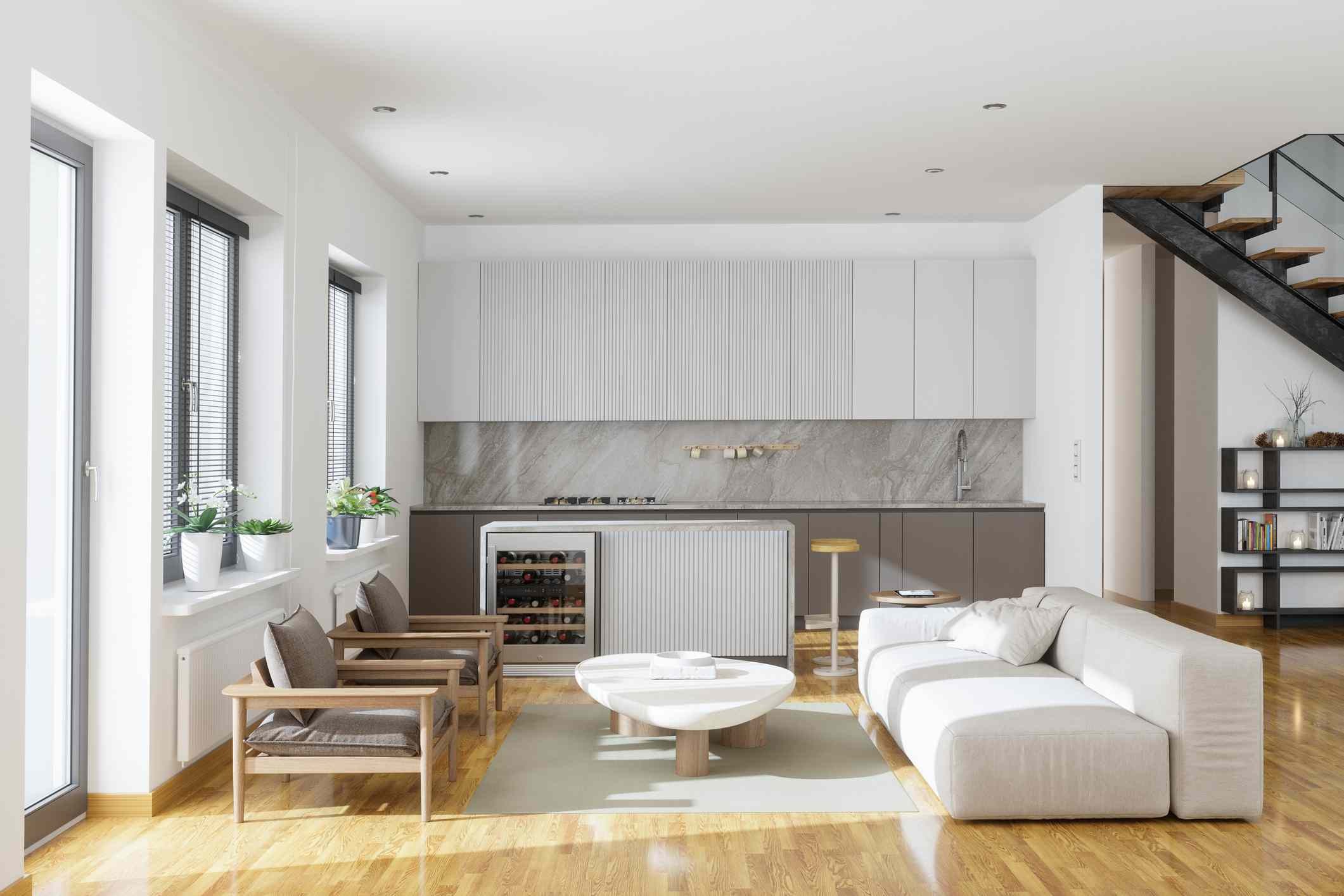
The era of vast, uninterrupted open spaces is fading. Instead, designers are using techniques like ceiling treatments, strategic furniture arrangement, and area rugs to create visual zones within an open floor plan. This approach provides a sense of separation without completely closing off areas, maintaining balance and flow.
Well-Defined Zones with Visual Continuity
Many homeowners now crave living spaces with a clear rhythm and versatility. When kitchens, living rooms, and workspaces blend into one continuous area, it can be difficult to mentally and emotionally switch gears. The solution? Creating defined zones that still feel connected through shared design elements. Built-ins, partial walls, or even a central beverage area can bridge functionality while maintaining a cohesive style.
The key is striking a balance between flow and structure. The most successful designs today guide movement naturally through the home, maintaining synergy from one area to the next.
Conclusion: The shift away from purely open-plan living reflects evolving lifestyles and a greater emphasis on functional flexibility. While open spaces will remain, the future of home design lies in creating layouts that balance connection with intentional separation, allowing homeowners to adapt their living environments to their diverse needs.