Interior designers consistently point to certain bathroom features as instant style downgrades. Whether you’re renovating or just refreshing, avoiding these common mistakes can significantly elevate your space. Here’s a breakdown of what pros consider eyesores—and how to fix them.
Зміст
Overcrowded Walls
Designers like Becky Carbone, founder of Becky Carbone Interiors, find excessive wall art in bathrooms unnecessary. Instead of covering every surface with photos or prints, she recommends sticking to a single, impactful piece. Too much clutter detracts from the room’s functionality and makes it feel less serene.
Open Toilet Storage
While extra storage is always helpful, open shelving behind the toilet often becomes a dumping ground for items. Carbone suggests closed storage systems instead. If open shelves are unavoidable, keep them tidy to avoid a messy look.
Oversized Towel Bars
Large towel bars meant for one or two towels are seen as sloppy by designers. Both Carbone and Brianna Untener, founder of Brianna Scott Interiors, recommend multiple hanging areas : hand towel rings and discreet hooks on the door. For extra towels, neatly display them on shelves instead.
Visible Toilet Paper Holders
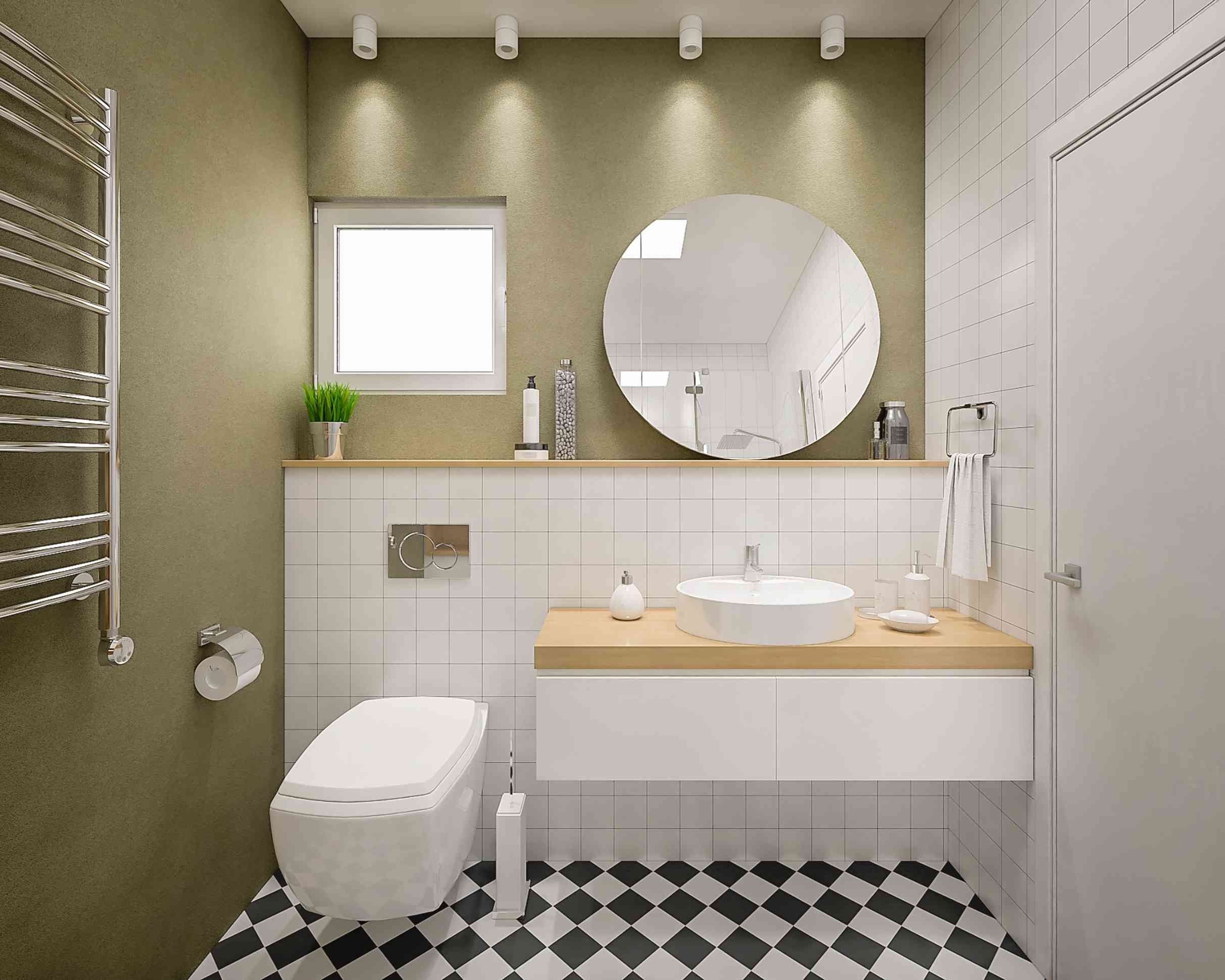
Untener argues that freestanding toilet paper holders instantly lower bathroom aesthetics. She advocates for wall-mounted or concealed storage to maintain a streamlined look. Functionality doesn’t have to come at the cost of style.
Builder-Grade Mirrors
Basic builder-grade mirrors are a missed opportunity. Untener emphasizes that upgrading to a framed, uniquely shaped, or LED-lit mirror makes a dramatic difference. Even renters can swap out mirrors, saving the original for move-out.
Scales in Plain Sight
While practical, scales are often seen as unattractive by designers. Callie Windle, founder of Callie Windle Interiors, prefers to store hers out of sight —in a closet or under the sink—and pull it out only when needed. This keeps the bathroom visually cleaner.
Ultimately, a stylish bathroom isn’t about expensive upgrades, but about thoughtful choices. Avoiding these common pitfalls and prioritizing simplicity, functionality, and intentional design will yield a far more polished result.