The era of manicured, golf-course-style lawns is officially over. If you are looking at your yard in the summer of 2026, you will notice a shift away from rigid traditional landscaping toward something far more liberated. Why spend your weekends under the July sun, battling weeds and draining your wallet on maintenance? The current philosophy embraces the wild garden concept. It combines aesthetics with ecology and significant cost savings. No one is chasing down stray blades of grass anymore.
Reduce Mowing Frequency to Invite Nature
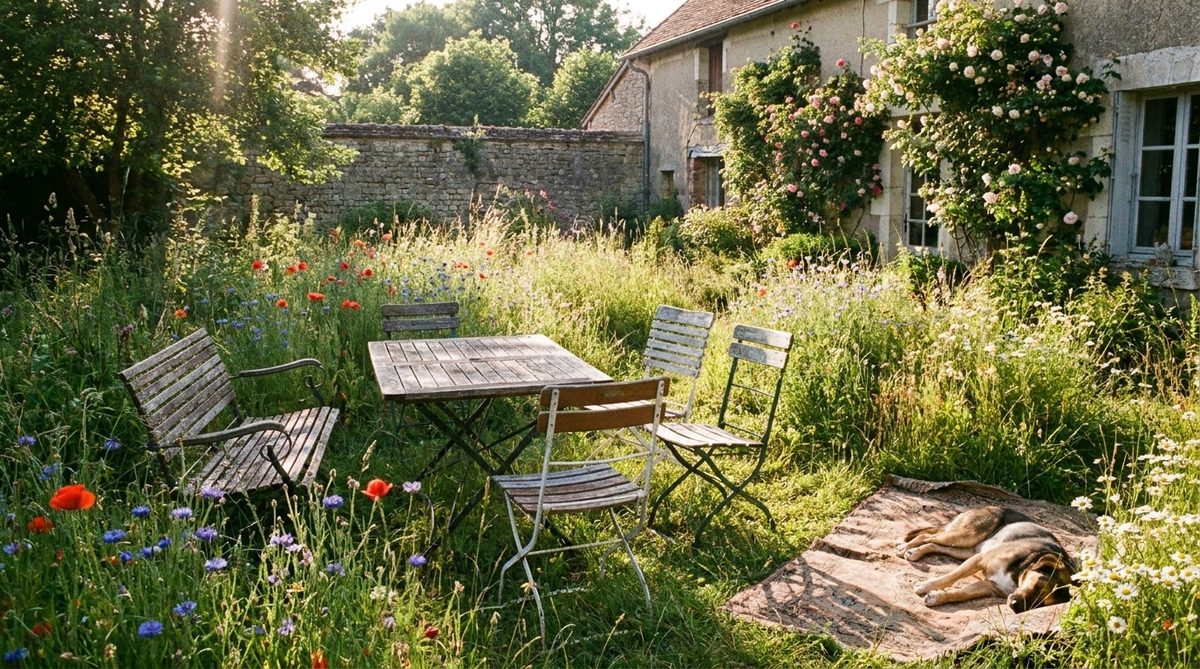
The first step in transforming your green space this July is to store the lawnmower deep in the shed. Adopting a wild garden means cutting your mowing frequency to just once every three to four weeks. Keep large zones of tall grass. This single habit change alters the look of your outdoor living area instantly. It creates shaded, cool refuges perfect for the heat.
This practice reduces wear on your equipment and cuts fuel consumption. More importantly, it allows stunning spontaneous flora to return. Say goodbye to sun-scorched yellow turf. Hello to a living, breathing carpet that resists high temperatures naturally.
Mulch Generously and Plant Native Perennials
To support these natural expanses, you must protect the soil around your plantings. You can easily find mulch materials at specialized stores like Botanic, Leroy Merlin, or Jardiland. Apply it wisely to keep the earth cool throughout the summer season.
Complement this with local nectar-rich perennials. These plants structure the space elegantly and attract beneficial wildlife. Here are some reliable choices for creating a buzzing sanctuary:
- Lavender officinalis: Tough, fragrant, and highly resistant to the severe July drought.
- Garden valerian: Ideal for coloring walls and dry corners with zero maintenance demands.
- Purple echinacea: Features a long summer bloom that delights pollinating insects.
Save Water with an Autonomous Ecosystem
The ultimate benefit of this landscaping method is smart resource management. By combining controlled tall grass growth with systematic mulching, the soil retains moisture with frightening efficiency, even during heatwaves. This powerful duo saves water impressively and lets you delay watering chores as long as possible.
The terrain slowly turns into a flourishing autonomous ecosystem. It regulates itself without heavy intervention or expensive chemical treatments. The natural cycle takes over. Biodiversity thrives peacefully around the terrace.
By abandoning the old model of closely shaved grass in favor of spontaneous, resilient vegetation, you create an outdoor living space that is calming, green, and sensible. This shift back to sensible practices restores dignity to indigenous flora. It also frees up precious time to simply enjoy your lounge chairs. Are you ready to let a small patch of your land return to the wild and watch the spectacular return of butterflies this weekend?