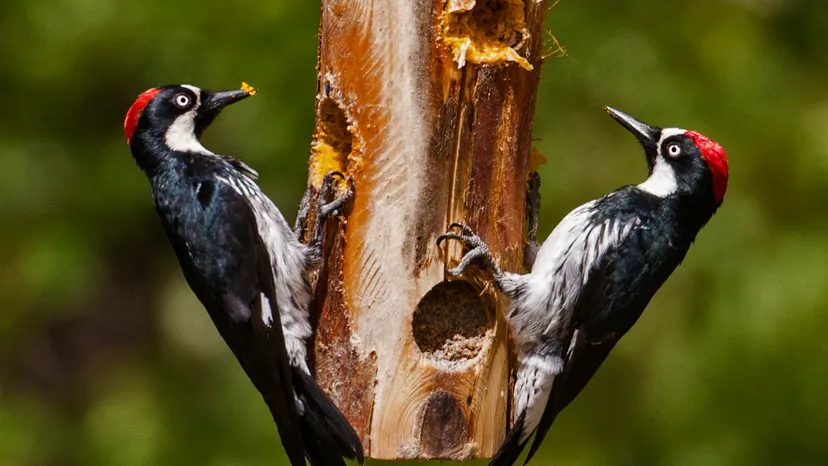
I can hear it, but I haven’t seen it yet. That rhythmic, electric-drill-sounding peck echoing off your cedar siding. Your stomach drops. Woodpeckers don’t just tap. They dig. They’re certainly looking for insects, but they also peck at the lawn and search for grooves. The damage caused can be costly. Repairs are often difficult as well. And unlike raccoons in the attic, you can’t just catch and relocate these birds. They are protected under the federal Migratory Bird Treaty Act. Injuring them can result in significant fines from the federal government.
So how can you stop the destruction without becoming a wildlife criminal? You need to make your home less attractive to them. Fast. Here are some practical and achievable ways to keep woodpeckers away while also keeping your property legal and intact.
Зміст
Visual intimidation tactics
Woodpeckers are very intelligent. They adapt quickly. But they are also easily spooked by movement and light. Let’s start with a simple one. Hang something shiny near the problem area. Old CDs, aluminum foil, reflective bird tape, etc. all work. It’s not just the shine that’s important. It is an erratic movement in the wind. Static tape does nothing. Moving tape creates chaos in their visual field.
Make sure your deterrents actually move. If there is no wind, the birds will ignore them in a few days.
If you want a more durable solution, install a physical barrier. Burlap bags or bird netting can be hung from eaves or side walls for great results. Don’t let the netting touch the wood, though. Leave 1-2 inches of space. The dart has enough power to peck the fabric if it is level with the surface. The barrier not only protects the siding, but also the nearby fruit trees.
An audible deterrent that does not disturb the neighbors
Noise is a double-edged sword. You don’t want to scare the neighbors, you want to scare the birds. This is where wind chimes come into play. Wind chimes provide visual movement and intermittent sound. Place it near the eaves or wooden beams that are most likely to peck. The sound is unpredictable enough to disturb the birds, but not so much that it’s a constant, annoying alarm.
There is also a more direct hearing method. woodpecker distress calls. You can buy equipment to play back these recordings. These sounds imitate the cries of birds in distress and signaling danger to other woodpeckers in the area. It stimulates survival instincts. They left because they felt the area was not safe. Note that the bird may become accustomed to this call if it is heard too often or if the bird perceives that there is no real threat. Change tactics.
Why rotten wood is the real culprit
Here is the harsh truth. Woodpeckers are often just doing their natural job of pest control. Look for soft, rotten wood as it is easier to dig. Another reason they found it was because there were carpenter ants, beetles and termites, which are their main food sources.
If the exterior walls are rotten, repair them. Fill the existing holes with wood putty. Replace damaged parts. Remove both the easy space and the buffet table. It’s not just about bird control. It’s about structural integrity. Ignoring rot can attract more than just birds. It invites decay.
Taste and smell: natural deterrents
If the visual and auditory method doesn’t work, try making the wood taste and smell bad. Non-toxic taste deterrent sprays are available at garden centers. Apply to the affected area. Birds find its taste bitter or pungent, which is enough to make the wood unappealing. Reapply after rain.
You can also use strong scents. Woodpeckers generally dislike mint, cinnamon, lavender, basil, onion and garlic. Dip a cotton ball in essential oils such as peppermint or clove and place them near entry points or eaves. This is an inexpensive, natural way to add a new layer of protection. It doesn’t work for all birds, but it adds to the overall discomfort of the environment.
Bait strategy (and its limitations)
Plastic owl decoys are commonly found in gardens. Are they effective? sometimes. The solid plastic owl is just a decoration. Woodpeckers will figure this out in an afternoon. You have to move the bait for it to be effective. Change its position daily. If you use the battery powered version, it will sway a bit in the wind. But don’t rely on it alone. Use this with visual or auditory deterrents.
Providing Alternatives: Suet Feeder Tips
This sounds contradictory. You want to attract them away from your house? Yes. Place a suet feeder in a tree far from your home. During the breeding season and winter, when natural food is scarce, woodpeckers chase food. If you give them a better option, they might take it. This is a redirect strategy. This requires patience. You should also clean the feeder regularly to prevent disease.
Seal entry point
Check your home. Look for small holes, cracks, and gaps in siding, panels, and trim. Please close it. Woodpeckers need cavities to build their nests. Preventing access will reduce the likelihood of them nesting on your property. Also check for insects. If you see signs of carpenter bees or ants, treat the area. You remove the temptation.
Conclusion
There is no one-size-fits-all solution. A layered approach is needed. Combine visual intimidation with physical barriers. Keep your wood repaired. Use taste and smell as a backup. Realize that you are controlling the behavior, not losing the species.
The goal is coexistence. Your siding is safe. Birds go elsewhere. It takes effort. It takes tweaking. But you know you did the right thing when the pecking stops. However, don’t let your guard down too quickly. They are persistent. And they remember.