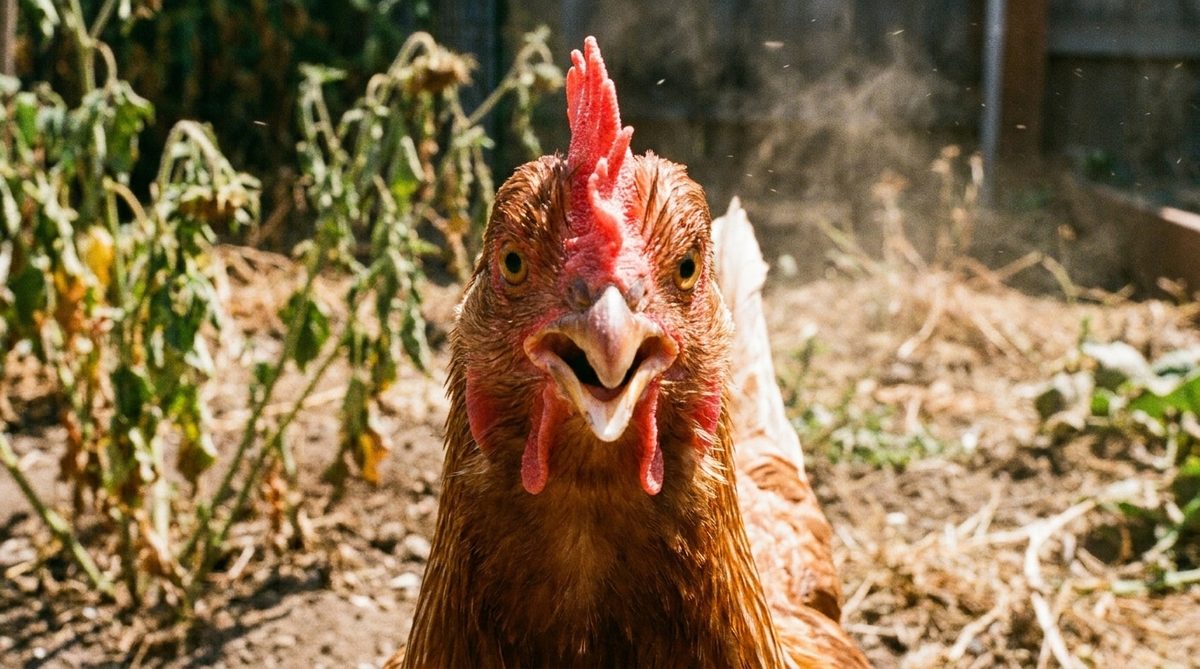
The summer heat doesn’t just burn the flower beds in the garden. It bakes the coop.
When the sun turns cruel, your flock is under siege. Most keepers monitor the water level. that’s good. But this alone is not enough. We need a faster and more direct way to tell if a bird is in trouble.
There are physical signs. It’s a subtle thing. It’s on the neck.
Telling the difference can save a chicken’s life in seconds. If you don’t do this, you might miss the window.
Skin elasticity test: quick moisture check
This method is reliable. Perfect for the hot season when every moment counts.
Here’s how:
Gently squeeze the skin around the chicken’s neck. Or just above the shoulders. Lift and release the skin.
Let’s see what happens.
Will my skin return to normal quickly? Very good. The bird is hydrated.
** Does the skin stay wrinkled? Or does it take a few seconds to flatten? Bad. This is a practical application of the Neck Skin Pressure Test**. Signs of severe dehydration were observed.
When the cells dry out, the skin loses its elasticity. This is a direct reading of the internal state of the bird.
This sign does not always appear alone. See also the following alerts:
- Pale and withered comb
- Opens beak and breathes loudly
- move the wings away from the body
- Sudden drowsiness or weakness
If you notice any of these symptoms and delayed skin recovery, take immediate action.
To calm down a stressed chicken, take immediate action.
When heat stress is detected, act quickly. Don’t panic though.
First, move the bird out of sunlight. Place it in a cool place. Ideally in a place with natural air circulation. Avoid direct light.
Next, offer water. Clean and fresh cold water. Not too cold. Ice-cold water can shock an overheated body. It could make the situation even worse.
The goal is to restore balance, not cause shock.
Consider adding electrolytes to your water. Certain poultry electrolytes can help replace lost salts. They speed up recovery.
For additional cooling, lightly spray water on the feet. Or moisten the dirt area surrounding the bird. Evaporation removes heat. It’s simple physics. It works.
Prevent heat stroke in advance
Observation is key. But it’s better to be prepared.
Forecast for intense heat. Don’t wait for the crisis to come.
Create a shadow. Plant protective shrubs. Hang the shade cloth. Offer your chickens a haven during the hottest times of the day.
Keep the water clean. every day. Warm water is a breeding ground for bacteria. The bacteria can make the birds sick. Sick birds cannot tolerate heat.
Monitor their consumption. Often the first warning is reduced fluid intake. It happened before the accident.
These aren’t expensive fixes. They are habits.
Check neck skin pressure test during morning rounds. Add electrolyte as the thermometer rises. Update the shade cloth when the sun is high.
The survival of the herd depends on this vigilance. I’m not talking about grand gestures. Small, consistent testing is key.
You know the drill. Pinch the neck. Observe the skin. If there are delays, take action.
What are your top tips for keeping the chicken coop cool in hot weather?


