Plants love phosphorus. Sometimes, though, your soil hates sharing. Roots get confused, growth stalls, harvests fail. Why? Maybe the soil is too acidic. Maybe it’s too compacted, squeezing the life out of the root system. Or maybe you dumped too much fertilizer on it last season. Whatever the cause, the plants can’t eat. They can’t access what’s already there.
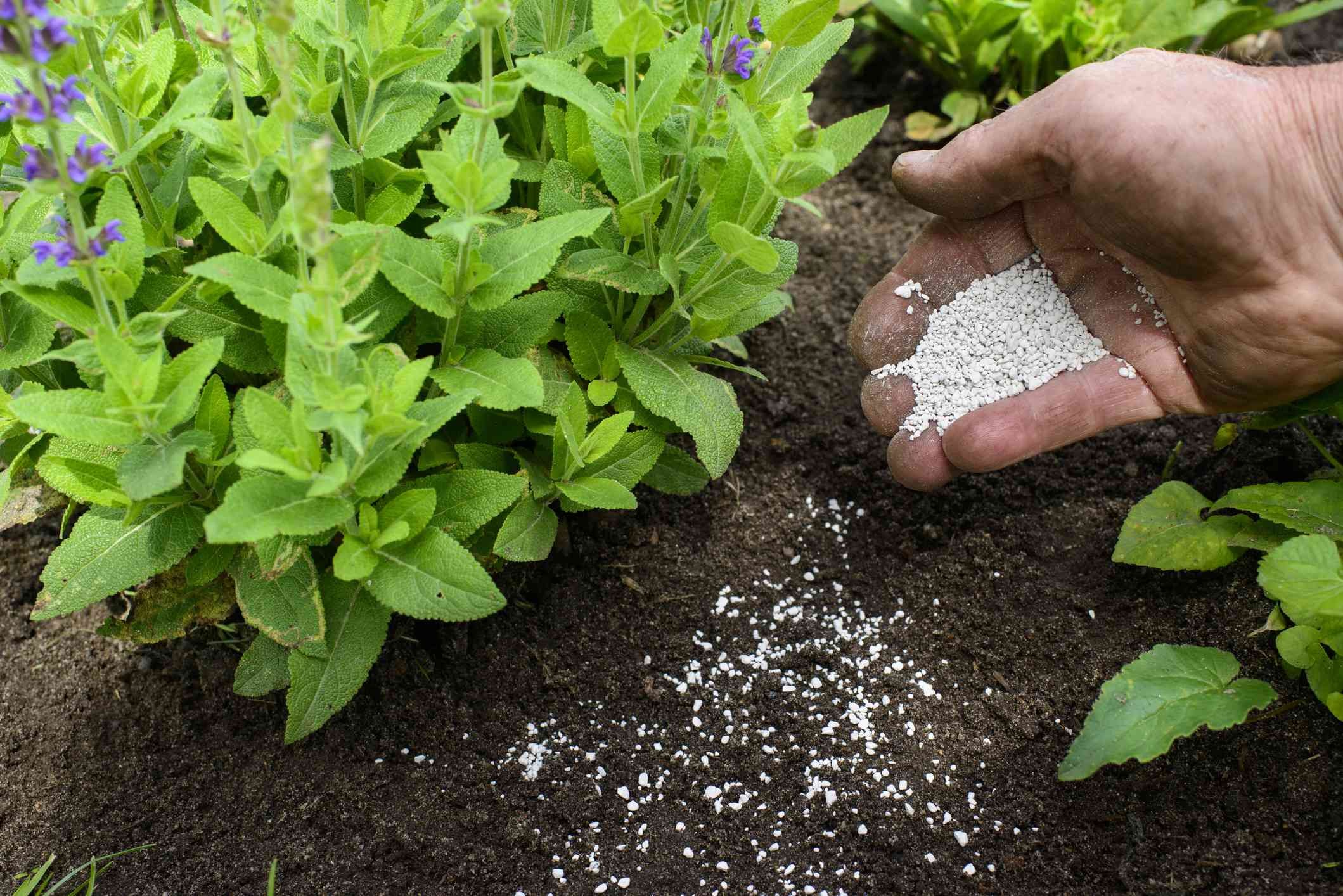
To fix a deficiency, you’ve got options. Dump high-phosphorus fertilizer (10-20-15 works, as does 10-10-10 depending on the label). Add soil conditioners to unlock the nutrients. Best move? Test the dirt first.
Why Do You Need It?
It’s the “P” in NPK. That three-letter code on every bag of garden food. Nitrogen, potassium, phosphorus. The big three.
But it’s more than just a letter on a label. Phosphorus handles the backend logistics. Early root growth. Seed development. Cell structure. It makes plants hardy against winter cold. It even helps them use water more efficiently.
Chlorophyll production? Phosphorus helps. Without it, that deep green foliage turns dull.
The Tricky Part
Here’s the kicker: your soil probably has phosphorus. It’s a natural element. It’s everywhere. The problem isn’t absence; it’s availability. The plants can’t grab it. They’re starving in a room full of food.
When the uptake fails, the signs show up.
- Stunted growth.
- Weak stems that look like they’re about to snap.
- Dieback.
- Leaves turning yellow or, oddly enough, red-purple.
- Small flowers. Deformed fruit.
Is your harvest failing because the soil is just stubborn? Probably.
Test it. Before you guess. Before you throw money at a problem you don’t fully understand. Because adding more phosphorus won’t help if the soil chemistry is blocking the roots. Sometimes you need to loosen the dirt. Sometimes you just need to wait.