Most gardeners are currently staring at frozen lawns, waiting for spring. Smart ones are already working. Believing gardening stops in January is a mistake that costs you early and abundant harvests. January 2026 is cold and gray, but it’s the crucial starting point for vegetables with long growing seasons. This isn’t about braving the frost with a shovel. It’s acting strategically indoors or in a heated greenhouse. Waiting is the enemy of a productive kitchen garden. Here is why you must start specific seeds now to beat nature to the punch.
Зміст
January is a Setup, Not a Dead End
January gets a bad rap. People think it’s a period of absolute dormancy. The only activity allowed is flipping through seed catalogs by the fire. That view is incomplete regarding the natural cycle. The outdoor soil is indeed at rest, frozen solid. That makes it the ideal time to prepare life indoors. Treating this month as a springboard wins you precious weeks on the traditional calendar.
Experienced gardeners know success depends on the first weeks of the year. Anticipating climate anomalies in spring prevents delays in planting outdoors. This approach is economically smart. Growing your own plants from seeds costs far less than buying trays at the nursery in May. You keep more money in your pocket.
The Sun Trio: Tomatoes, Peppers, Eggplants Need Heat Now
Here is the secret to successful summer harvests. Sun-loving vegetables need heat and time. Lots of time. If you wait until March or April to sow peppers or eggplants, the fruit won’t mature until late summer or autumn. By then, the sun is already fading. You won’t have colorful plates in July. Sowing in January is non-negotiable.
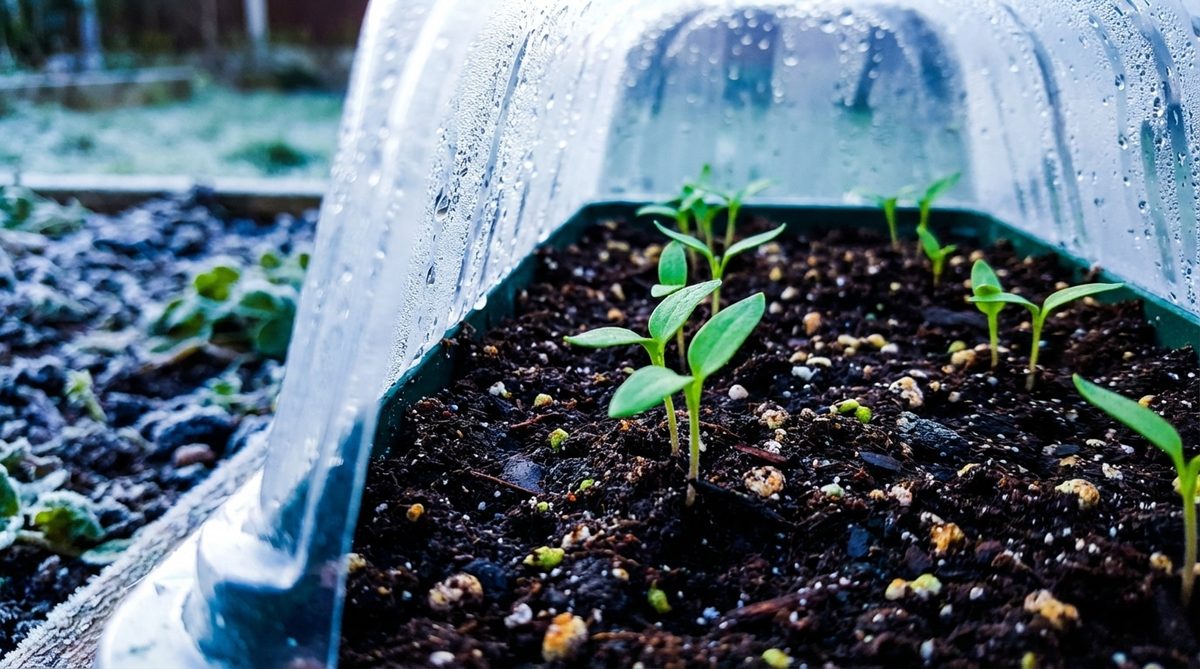
Tomatoes grow slightly faster than their cousins. They still benefit from an early start if you have a bright space. The trick is temperature consistency. These seeds need 20°C to 24°C to germinate. This only happens indoors. Use mini-greenhouses or terrines near a heat source like a radiator. This isn’t optional. It’s a necessity for these varieties at this time of year.
Greens and Bulbs: Lettuce and Onions Tolerate Cool
While sun-lovers warm up, don’t neglect crops that handle chill. Lettuce, especially spring or cut-and-come-again varieties, can start now. Place them in an unheated shelter out of frost, or behind a less exposed window. Having fresh salad as winter ends is a luxury. It changes your daily cooking routine entirely.
Onions sown from seed in January produce larger, better-storing bulbs. Planting small bulbs later yields smaller results. Varieties like “Onion de paille” or white onions work well. This is a patient crop. It requires little maintenance at the start but ensures a solid base for everyday cooking. It’s also a good time to plan your garden layout. Plan row rotation now for future efficiency.
Avoid Leggy Seedlings by Mastering Indoor Sowing
Starting seeds in January has a major risk. Everyone knows it. It’s the lack of light. Days are still short. Natural light behind a large window is often insufficient. The result? Plants “leg up.” They stretch desperately toward light. They become weak and brittle. This is the number one mistake that discourages beginners.
Counter this by placing seedlings at the edge of a south-facing window as soon as leaves appear. If natural light fails, use horticultural lamps. Even simple cool-white LED bulbs can save the crop. You must also master watering. A substrate that is too wet combined with low light causes damping-off. This fungal disease is fatal. Use a spray bottle. It maintains light humidity without drowning fragile roots.
“Watering with a can is too harsh for young seedlings. A spray bottle keeps the surface moist without suffocating the roots.”
This careful management pays off. You avoid weak, spindly plants that die before summer. You get sturdy stock ready for the garden. The work is small now. The reward is huge later.
Start today. The window is open. The seeds are waiting.
The January 5th start date isn’t just about keeping busy. It is a calculated move for yield.
When planting season hits mid-May, post-frost, your plants aren’t starting from zero. They are already established. Tomato, eggplant, and pepper seedlings have deep roots. Some may even have tiny flowers ready to bloom. Compare that to flimsy store-bought transplants. The vigor difference is stark.
This leads to an earlier harvest. Expect to pick fruit three to four weeks before neighbors. You will be eating juicy beefsteak tomatoes while the rest of the street watches their fruit set. It is a tangible advantage.
Growing your own food unlocks specific benefits. You get access to heirloom varieties. These taste better than supermarket hybrids. You also control pesticide use from day one. The plant stays chemical-free.
Converting indoor space into a temporary nursery is an investment. Tomatoes, peppers, eggplants, lettuce, and onions all benefit. You are building a foundation for culinary abundance. The soil and pots are waiting. Use them.