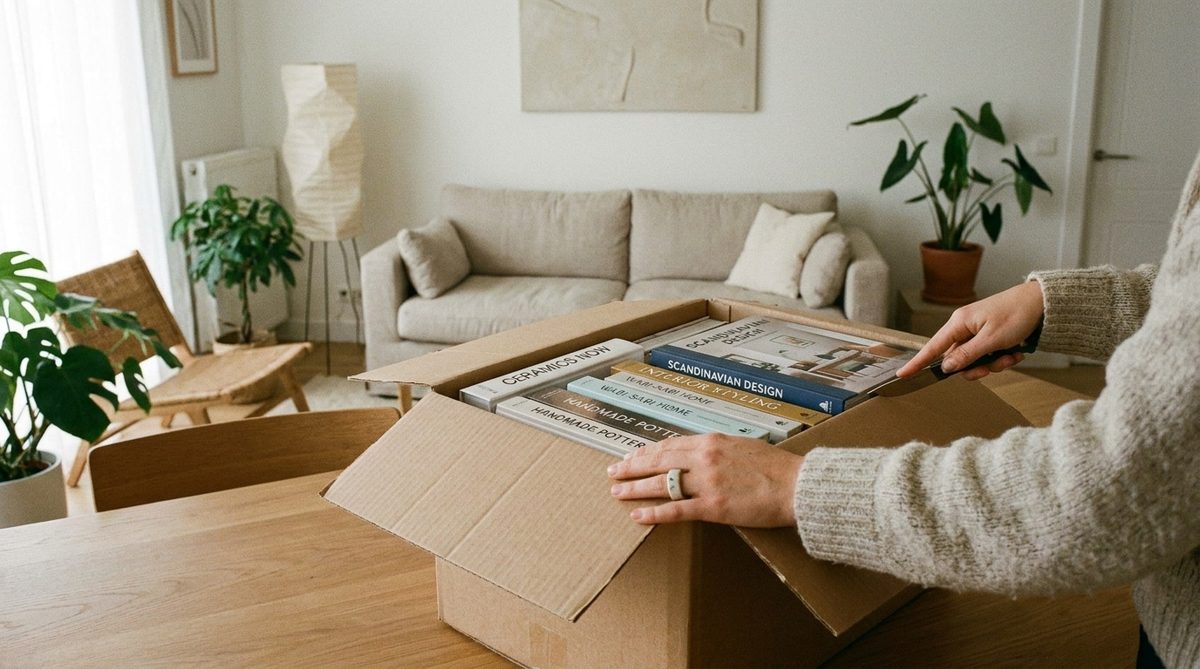
Spring cleaning season brings the urge to purge, but for those with limited square footage, it also brings the anxiety of where to put everything. A 15 square meter (roughly 160 square feet) living room is already tight when you are trying to fit a sofa, a dining table, and allow for actual human movement. The challenge multiplies when you have structural obstacles like doors, windows, and radiators eating up your wall space.
Now add a personal library of 200 novels and art books to the mix.
It feels impossible. You don’t have the space for a traditional bookcase. Buying a massive storage unit is a mistake that will choke the room’s light and floor area. The solution isn’t about buying more furniture. It is about changing how you think about storage. You need to stop looking for a “bookshelf” and start looking for integration.
Зміст
Why Traditional Bookcases Fail in Small Spaces
The instinct when facing a pile of books is to buy a large cabinet. In a spacious home, this works. In a small living area, a towering bookcase acts as a visual wall. It grabs precious floor space and blocks natural light. The result is a heavy, oppressive atmosphere.
For active households, this visual weight can make the room feel smaller than it is. The alternative is to disperse the collection. Instead of clustering 200 books in one spot, spread them out. Use every nook and cranny. This approach clears the visual field and makes every corner of the room feel functional and inviting.
Hunting for Hidden Storage in Existing Furniture
You likely already have the storage you need. You just haven’t looked closely enough. Start by auditing the small furniture currently in your living room.
The TV Unit and Coffee Table Nooks
Look at the stand under your television. Does it have low shelves that are only half-used? Check the plate of an older coffee table or its lower storage niche. These are prime real estate for books.
You can stack novels neatly in these voids. This creates discreet storage without requiring any drilling, assembly, or extra purchases. It turns dead space into utility.
Under-Bench and Under-Footspace
Look at your seating. A bench for children, a sturdy trunk, or a high-legged armchair often leaves a large gap underneath. This space is often wasted, but it is perfect for storing rows of aligned books.
Placing books here hides them from view while keeping surfaces clear. This makes dusting easier and keeps pathways open. It is a simple optimization that reduces visual clutter instantly.
Using Vertical Piles for Decorative Storage
Once you have filled the hidden niches in your existing furniture, you can get creative. Don’t be afraid to put books on the floor.
Stack your most beautiful or sturdy books into vertical columns. Place them in a corner, next to a large plant, or beside the sofa armrest. This creates a bohemian, curated aesthetic. These stacks become decorative objects rather than just storage. They add character without weighing down the room visually.
Rules for Safe and Stable Book Stacking
To keep this method working long-term, you need structure. Chaos happens fast when books are piled randomly. Follow these practical steps:
- Base Stability: Always place the largest, heaviest tomes at the bottom of the stack. This prevents tipping and ensures a solid foundation.
- Dust Management: Use a damp microfiber cloth to wipe the top edges of the stacks regularly. This stops dust from settling on the pages and keeps the area clean without harsh chemicals.
- Pathway Safety: Never place book piles in high-traffic areas. Keep walkways clear to ensure safe movement, especially in a small space where every step counts.
Conclusion
By utilizing overlooked spaces and integrating books into the room’s layout, a small living room can transform into a cozy, functional hub. You do not need to spend a fortune or block a wall with oppressive furniture to house your 200 books. You just need to see the potential in what you already own.
What familiar piece of furniture in your home will you repurpose first?