Induction cooktops have invaded our kitchens. They look sleek. They heat up fast. They are efficient. But they are also delicate. Treat them wrong and you will ruin the surface.
Proper maintenance is not optional. It is necessary. A dirty cooktop does not just look bad. It performs worse. Food residue can block heat transfer. Scratches can trap grime.
You need to know how to clean it correctly. You also need to know what mistakes to avoid. This guide covers both.
Зміст
Why Induction Hob Cleaning Is Different
Standard gas or electric coils are forgiving. They take abuse. Induction glass-ceramic surfaces are not like that. They are smooth. They are sensitive.
The glass can scratch. The finish can cloud. Over time, this makes the cooktop look old. It ruins the modern aesthetic you paid for.
Most damage comes from two things: abrasion and heat shock.
- Abrasive pads destroy the surface gloss.
- Sudden temperature changes can crack the glass.
You must use gentle methods. You need the right products.
The Tools You Actually Need
Before you start, gather your supplies. Do not use random household items. Some are harmful.
What to use:
- Soft microfiber cloths: These trap dirt without scratching.
- Sponge blade or razor scraper: For burnt-on food.
- Induction-specific cleaner: Or a mild alternative like baking soda and water.
- White vinegar: For streak-free shine.
What to avoid:
- Steel wool: It leaves metal particles that rust. It scratches glass.
- Harsh chemical cleaners: Ammonia and bleach can damage the seals and finish.
- Dry wiping: Rubbing dry dirt acts like sandpaper.
Step-by-Step: How to Clean an Induction Cooktop Safely
Follow these steps. Do not skip any.
1. Let the cooktop cool down completely.
Never clean a hot surface. Thermal shock can crack the glass. It can also burn you. Wait at least 30 minutes after cooking. The surface should be cool to the touch.
2. Remove loose debris.
Use a soft brush or a dry microfiber cloth. Sweep away crumbs and dust. This prevents scratching during the wet cleaning phase.
3. Apply the cleaning solution.
Spray a small amount of induction cleaner or a vinegar-water mixture (50/50) onto the surface. Do not spray directly on the controls. Moisture can damage the electronics.
Let it sit for two minutes. This softens the grime.
4. Wipe gently.
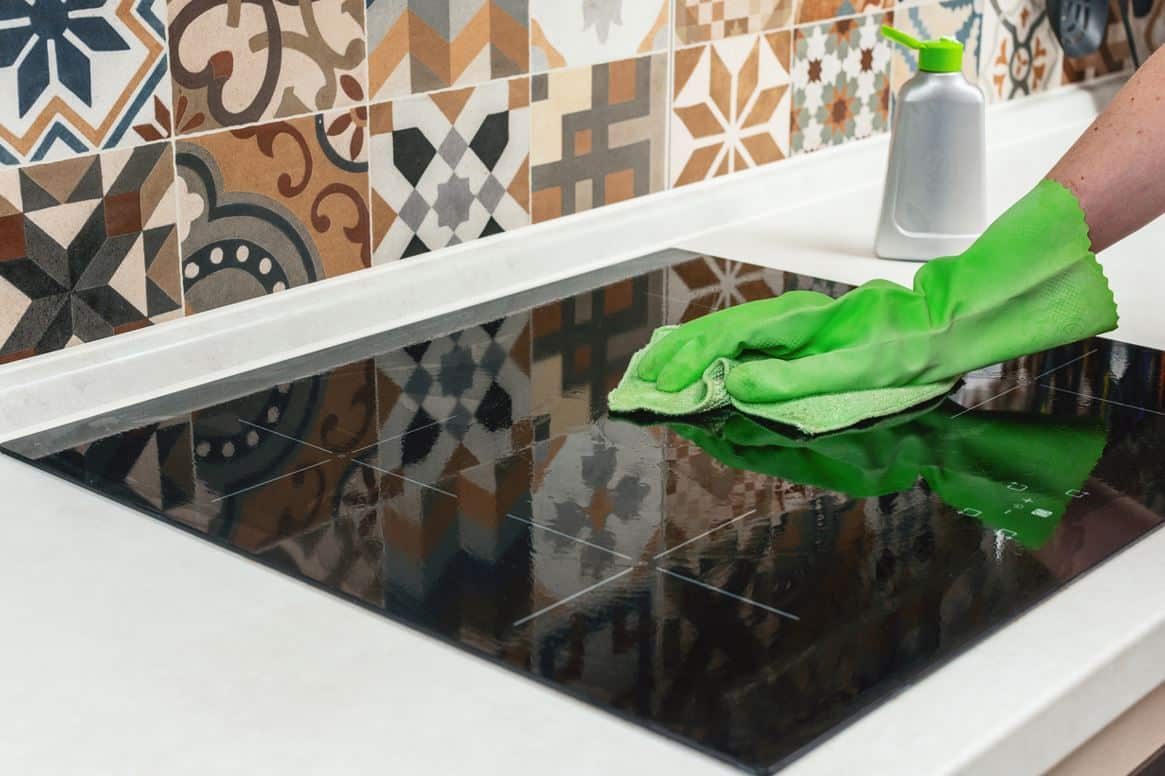
Use a damp microfiber cloth. Wipe in circular motions. Apply light pressure. Do not scrub hard. The goal is to dissolve the dirt, not scrape it off.
5. Tackle burnt-on residue.
If food is stuck, use a sponge blade. Hold it at a 45-degree angle. Gently scrape the residue. Move in one direction. Do not dig into the glass.
For tougher stains, make a paste of baking soda and water. Apply it to the stain. Let it sit for 10 minutes. Wipe
The surface of your induction cooktop is essentially a sheet of glass-ceramic. It’s tough, but it isn’t invincible. One wrong move with the wrong tool, and you’re looking at permanent scratches that catch dirt and ruin the look of your kitchen. Avoiding damage isn’t about being paranoid. It’s about using the right materials and respecting the temperature of the surface.
What to Avoid to Prevent Scratches
The biggest mistake homeowners make is assuming “hard” cleaning agents are better for grease. They aren’t. Abrasive powders are a one-way ticket to a cloudy, scratched finish. Same goes for the rough green side of a kitchen sponge. If it feels gritty or stiff, put it down.
Metal is the enemy here. Never drag metal utensils across the glass. If you have burnt-on food that won’t budge, don’t reach for a steel scraper. It will gouge the surface. Instead, use a dedicated plastic scraper or a wooden spatula. The wood is softer than the glass and won’t cause damage.
Temperature matters too. Cleaning a hot or even warm induction plate can cause thermal shock or leave streaks that are harder to remove. Wait until the surface is completely cool to the touch. This also gives you time to assess whether you need a specialized cleaner or if a household staple will do the job.
Don’t let grime build up. Wiping the surface after every use takes ten seconds. Scrubbing a layer of carbonized food and grease takes ten minutes and increases the risk of scratching.
Cleaning with White Vinegar
White vinegar is acidic, which makes it effective at breaking down mineral deposits and light grease without harsh chemicals. It’s cheap, readily available, and safe for glass-ceramic if used correctly.
- Soak a soft cloth or non-abrasive sponge in white vinegar.
- Wipe the cooktop surface thoroughly.
- Let it sit for a few minutes to dissolve residues.
- Rinse with a damp cloth to remove any vinegar traces.
- Dry completely with a microfiber cloth to prevent water spots.
This method works well for routine maintenance. It won’t remove heavy burns, but it keeps the surface clear between deep cleans.
Using Lemon for Shine
Lemon juice offers a similar acidic punch to vinegar but leaves behind a fresher scent. The citric acid helps cut through light film and can enhance the shine of the glass.
- Cut a fresh lemon in half.
- Rub the cut side directly onto the cool surface.
- Apply gentle pressure and move in circular motions until the surface looks bright.
- Rinse the remaining juice and pulp with a damp sponge.
- Buff dry with a clean microfiber towel.
This is a quick fix for smudges and fingerprints. It’s less effective on baked-on messes, but it adds a layer of polish that chemical sprouts sometimes miss.
The Clay Bar Alternative
Clay stones, or pierre d’argile, are a traditional cleaning tool. They come in powder or paste forms. For induction cooktops, the paste is the safer choice. Powder can sometimes contain particulates that are too coarse for delicate glass surfaces, increasing the risk of micro-scratches.
- Apply the clay paste to a damp sponge or soft cloth.
- Gently rub the paste onto the cooktop using light, circular motions.
- The clay acts as a mild abrasive, lifting dirt without scratching the glass.
- Rinse thoroughly with a wet sponge to remove all clay residue.
- Dry with a microfiber cloth.
This method is particularly useful for removing stubborn, non-burnt stains that vinegar and lemon can’t lift. It’s a mechanical cleaning action that relies on friction rather than chemistry.
Degreasing with Black Soap
Black soap (savon noir ) is a versatile, oil-based cleaner that breaks down grease effectively. It’s gentle enough for regular use but powerful enough to tackle the accumulated grease ring around the heating zones.
- Dilute a small amount of black soap in water or apply it directly to a damp sponge.
- Scrub the surface gently, focusing on greasy areas.
- The soap emulsifies the oil, making it easier to wipe away.
- Rinse with clean water to ensure no soapy film remains.
- Dry thoroughly with a microfiber cloth.
Residue from soap can dull the finish if not rinsed well. Take the extra time to rinse twice if needed. A clean, dry surface reflects light better and makes your next meal prep easier.
Final Thoughts
Protection is about consistency. Use soft materials. Avoid abrasives. Clean while the surface is cool. These habits preserve the