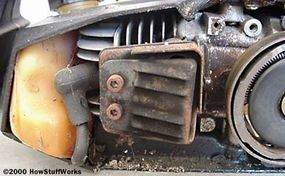
The cover plate on the right side of your chainsaw isn’t just there for show. It’s the first line of defense for the engine’s inner workings. When you pull those screws and lift the plate off, you’re exposing the heart of the machine’s power delivery system. This is where things get mechanical.
Зміст
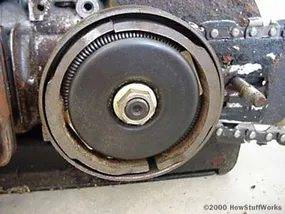
The Centrifugal Clutch
Beneath that plate sits the centrifugal clutch. It’s a simple but vital component. Its job is to engage the chain only when the engine revs up. At idle, the clutch stays open. The engine runs, but the chain doesn’t move. This keeps you safe and reduces wear when you’re not cutting.
Over time, dust and debris can accumulate here. If the clutch fingers don’t expand freely, the chain might not engage properly. Or worse, it could slip under load. A quick visual inspection helps. Look for signs of wear on the friction material. If it’s smooth or glazed, it’s time to replace it. Don’t wait for the chain to drag.
Spark Arrestor and Plug Access
You’ll also notice the spark arrestor mesh. It sits near the exhaust port. Its purpose is to catch stray sparks before they escape the muffler. This prevents wildfires. More importantly, it stops carbon buildup from clogging the exhaust outlet.
If the mesh is clogged, your chainsaw will run rich and lose power. Cleaning it is straightforward. Remove the mesh. Scrape off the carbon deposits. Use a wire brush or a specialized cleaning tool. Reinstall it tightly. A loose mesh can vibrate loose and fall into the exhaust, causing catastrophic damage.
Right next to it, the spark plug is visible. This is your window into the engine’s combustion health. Check the electrode gap with a feeler gauge. The manual usually specifies the correct distance. Clean any fouling from the plug. If it’s black and sooty, your air filter might be dirty or your fuel mix is off. If it’s white or washed out, you’re running lean. That’s dangerous for the engine.
Why This Matters
You might think you can skip this step. You’ll just keep using it until it breaks. But neglecting these components leads to bigger problems. A clogged spark arrestor strangles performance. A worn clutch damages the drive sprocket. A dirty spark plug causes misfires.
Start by gathering your tools. You’ll likely need a socket set and a screwdriver. Remove the cover plate carefully. Note how the components align. Take a photo before you touch anything. This helps during reassembly.
Inspect the clutch for cracks or excessive play. Check the spark arrestor for blockages. Examine the spark plug condition. Address issues immediately. Don’t ignore small signs of trouble. They compound quickly in a high-RPM environment.
Once you’re done, reinstall the cover plate. Torque the bolts to specification. Over-tightening can crack the casing. Under-tightening leads to vibration and seal failure. Start the saw. Listen to the idle. It should be smooth. Rev it up. The chain should engage instantly without hesitation.
This isn’t just maintenance. It’s prevention. You’re extending the life of your tool. You’re ensuring safety. And you’re saving money on repairs down the line. The next time
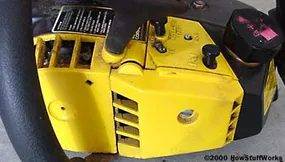
Cooling and Fuel Delivery
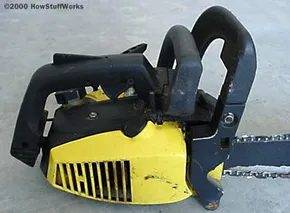
Flip the machine over. You will see the gas tank end on one side. On the other, things get mechanical. The pull-cord lives here. So do the air intakes.
Look closely at the setup in the photo. The intake to the left of the handle isn’t for fuel. It pulls in cooling air. It keeps the engine from melting down.
The two smaller intakes to the right? Those are for the carburetor. They feed the mix.
Remove the plate. It covers the carb. Behind it sits a paper air filter. Clean it. Or replace it. A clogged filter chokes the engine.
Then you see the choke plate. And the carb’s venturi. The throat of the operation.
Safety Note: Always disconnect the spark plug wire before removing any covers. You don’t want the engine turning over while your fingers are near moving parts.
This is where air meets fuel. The mix happens here. If the intakes are blocked by grass clippings or debris, the engine starves. It runs rich. Or it dies.
Check the filters often. Paper ones are cheap. Cleaning them with compressed air can buy you time. But they wear out. When they look gray or dirty, toss them.
The choke plate controls the air-fuel ratio during cold starts. It restricts airflow. Makes the mix richer. Easier ignition. Once the engine warms up, you open it back up.
The venturi is the narrow part. It creates suction. Pulls fuel from the bowl. Without that vacuum, you get no fuel. Just air. And no engine.