Joseph Goldberg needed a roof over his head, but the housing market in New Jersey was closing doors. A single father with a tight budget, he couldn’t swing a traditional single-family home. He wasn’t interested in renting an apartment either. So, he bought a home in Atlantic Gardens, a community in Egg Harbor Township, N.J. Most folks would look at that property and call it a trailer. They’d call it a mobile home.
Do not say that out loud.
The terminology matters. And more importantly, the reality has shifted dramatically. What used to be stigmatized as “mobile homes” are now manufactured homes. They have evolved. They offer amenities that rival site-built houses without the crushing price tag. Goldberg’s home is proof. But it is also part of a broader trend. This is not just about saving money. It is about quality.
Зміст
The Difference Between Mobile and Manufactured
There is a massive misconception floating around. People assume manufactured homes are just mobile homes with a fancy name. It’s like putting lipstick on a pig. That analogy is outdated. It is wrong.
Here is the distinction. Mobile homes were built before 1976. Before that year, the federal government had no specific building regulations for these structures. They were weak. They were flimsy. They were mobile in the truest sense.
After 1976, the HUD Code was enacted. Factories began building homes to a much higher standard. These are manufactured homes. They are built in controlled environments. They are built to withstand specific wind and weather conditions. They are built to last.
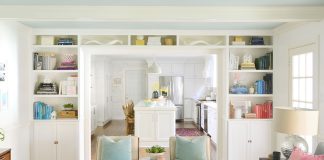
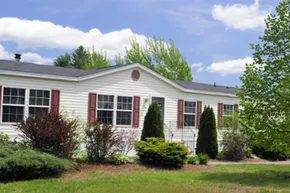
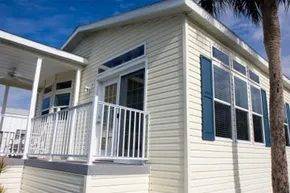
Look at the aesthetics. Many modern units look identical to brand-new site-built dwellings. They blend into neighborhoods. You see white picket fences. You see attached garages. Some models are two stories tall. They come with state-of-the-art heating and cooling systems. They often include ENERGY STAR appliances. They do not look like trailers. They look like homes.
The Financial Reality
Affordability is the primary driver for over 17 million Americans living in manufactured homes. The numbers do not lie.
- Average Cost: A manufactured home averages around $62,600.
- Site-Built Comparison: A comparable single-family home costs an average of $272,200.
That is a staggering difference. In 2009, the median annual household income for residents of manufactured homes was $30,000. How do they afford it? Because the entry price is low. Because maintenance is cheaper. Because the structure is efficient.
The market reflects this demand. In 2009, 43 percent of all new homes sold for less than $150,000 were manufactured. They accounted for 23 percent of all new home sales under $200,000. These are not marginal sales. They are a significant chunk of the affordable housing market.
Building for Less, Living for Less
The savings are not just in the purchase price. They are in the build process. Factories produce these homes in assembly lines. Materials are bought in bulk. Labor is specialized. Waste is minimized. This efficiency passes through to the buyer.
Maintenance costs follow a similar pattern
Five years ago, Richard Doherty finally cleared the balance on his manufactured home. For 15 years, he lived in Barrington Estates in New Hampshire. It was a tidy spot. Neat gardens. Clean streets. He and 73 other families liked it there. Then the owner decided to sell in 2005. Panic set in. Everyone feared eviction. They worried they’d have to pack up and leave.
Barrington Estates is still there. It remains a decent, affordable place to live. Experts say this stability is the main selling point of manufactured housing. Compared to site-built homes, these units are cheaper to buy. They cost less to maintain. They are simply more affordable.
The Factory Advantage
The price difference is real. Building a manufactured home costs 10 to 35 percent less per square foot than a traditional house. Where does the money go? It stays in the factory. Builders benefit from economies of scale. They buy materials, appliances, and products in massive bulk. This gets them rates a typical on-site builder can’t touch.
The process is an assembly line. It’s controlled. It’s efficient. On-site construction faces too many variables. Bad weather. Theft. Vandalism. Contracting disputes. Factories avoid these headaches. They manage labor costs tightly. The result is a lower price tag for you.
Living costs can drop too. Many communities handle lawn care. They take out trash. They plow snow. They handle on-site repairs. These services are bundled into your lot rent. You can rent the land. Or you can own it. More than 75 percent of manufactured homes sit on private property. The other 25 percent are in leased communities.
Ownership vs. Leasing
There is a distinct advantage to owning the land. A University of New Hampshire study looked at this. Residents who own their manufactured home communities sell faster. They get higher prices than those in leased setups. Owners have more control. They worry less about the park closing down.
But stereotypes linger. The “trailer park” label hasn’t disappeared. Local officials sometimes resist these homes. In Absecon, New Jersey, residents fought a planned park. They thought it would lower property values. The cheapest unit would cost $125,000. One resident called it “low-income” housing. Others feared it would attract crime.
Tax Myths and Realities
Why the pushback? Fear of lost tax revenue. Communities worry the tax base won’t cover services. Schools cost the most. Studies show manufactured homes don’t strain the school system. 59 percent of these households have no children. So the tax burden for schools is lower.
Taxes are confusing. In some states, like Florida, homes are taxed as personal property. Like cars. This can mean higher rates. But if you own the land and the home is permanently affixed, the town can place it on real property tax rolls. The rate matches that of site-built homes. Investor-owned parks get taxed on both land and structure.
Property Values Don’t Drop
People worry about home values. They think nearby houses will lose money. Research says otherwise. Scientists from MIT and Harvard studied one New Hampshire town. They found no evidence that manufactured homes hurt adjacent property values. The fear is unfounded.
Common Questions
Is it cheaper to build or buy manufactured?
Manufactured homes cost significantly less than on-site builds. They offer comparable or better safety standards at a lower price.
Modular vs. manufactured?
Modular homes use a chassis sometimes. They follow local state codes. Manufactured homes follow federal HUD codes. They are built in factories and moved to the site.
Can I customize my home?
Yes. You can pick from hundreds of designs. You can also create a custom layout that fits your needs.
Do they hold value?
Yes. They appreciate like conventional homes. Good construction means better aesthetics and steady value growth over time.
What’s the largest option?
Double-wides are the biggest. They range from 532 to 2,800 square feet. Popular with empty nesters. Great for second homes.
The market is shifting. Land ownership matters. Taxes matter. Your choices today affect your equity tomorrow.