The theory is simple. If you want to stay cool during a heat wave, avoid turning on the hot things. The reality is messier. You have to eat. You have dirty laundry.
So, does cooking with hot appliances really raise the temperature in your home?
Yes. It does.
You’ve felt it. That wave of dry-heat blast when you pull a pizza out of the oven in a small space. Or the humid swamp air when a clothes cycle ends. Appliances don’t just function; they waste energy as heat. And that waste accumulates.
We asked HVAC pros to break down exactly how much heat these devices generate. And more importantly, how to use them without turning your living room into a sauna.
Зміст
Do Hot Appliances Actually Heat Up Your House?
Let’s be clear: every appliance that draws electricity or gas generates waste heat. It is a law of physics. You can’t escape it.
John Gabrielli, a Master HVAC Technician, says the impact is tangible. Running high-heat appliances can raise the local room temperature by 5 to 10 degrees. That’s not a draft. That’s a weather event in your kitchen.
But the kitchen doesn’t exist in a vacuum.
“When you run several high-heat appliances during the peak heat of the day, you typically raise the overall indoor temperature by 2 to 4 degrees,” Gabrielli explains.
That number matters. Because if your thermostat is set to 72, and the heat from the oven pushes the air up to 75, your AC will struggle to kick in. It thinks it’s already cool enough. Or, it runs longer to compensate.
“This forces your central air conditioner to run harder, less efficiently,” he notes. “During peak summer days, this adds a significant internal thermal load.”
There’s also the humidity factor.
“Appliances like dishwashers and clothes dryers释放 significant ambient humidity,” Gabrielli says. (Note: “release” is the intended word based on context, though source text had mixed characters. Correcting to “release”).
High humidity makes air feel warmer than the actual thermostat reading. Two degrees on the dial feels like five in the humidity.
Which Appliances Generate the Most Heat?
Not all appliances are created equal. Some are heat magnets. Others are minor offenders. Knowing the difference helps you manage your utility bill and comfort.
Here is the breakdown of the worst offenders and their estimated heat output:
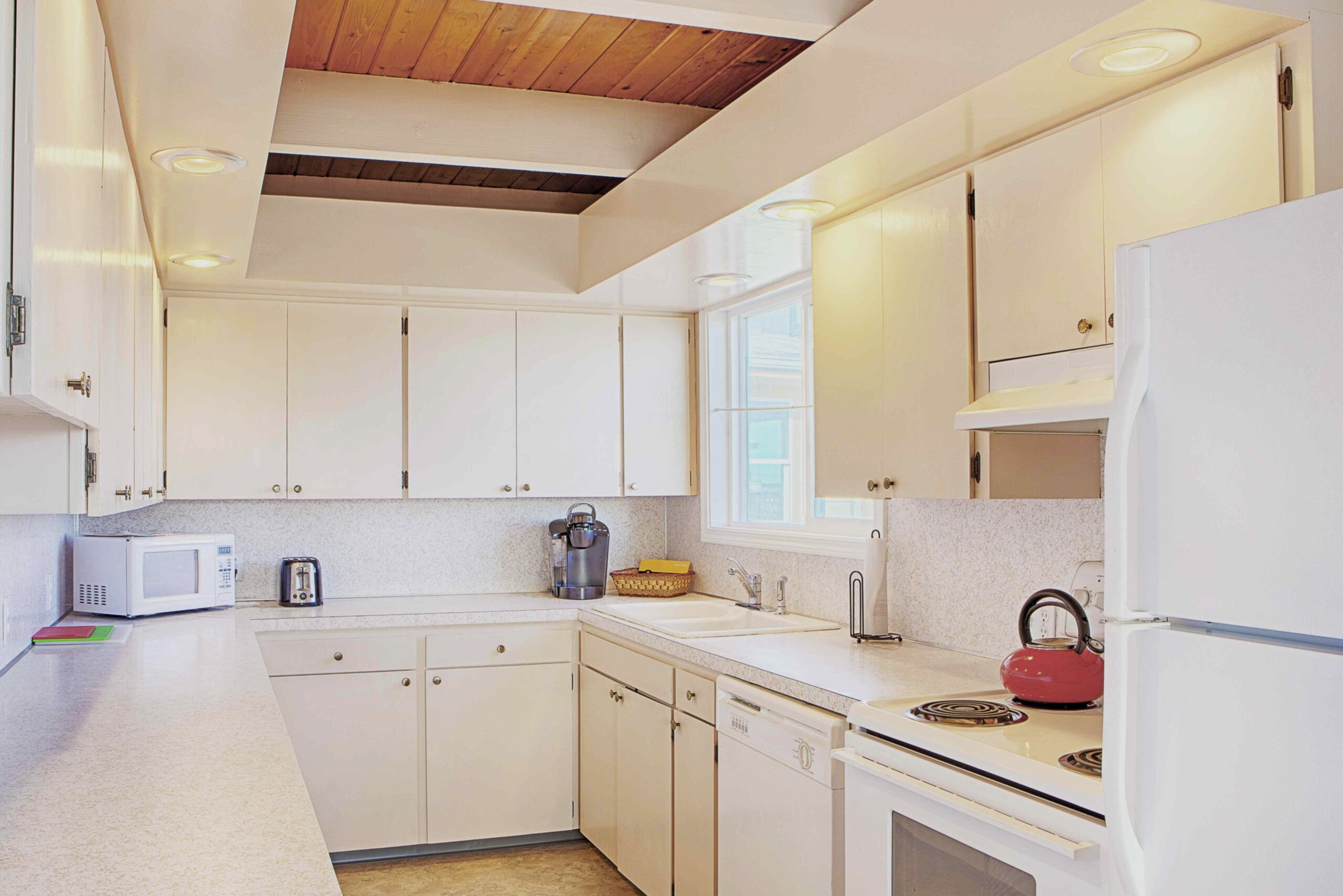
- Ovens and Stovetops: These are the primary culprits. Preheating to 400°F radiate massive heat. Opening the door releases a blast of hot air directly into your living space. Expect a 5 to 10 degree rise in the kitchen.
- Clothes Dryers: These vent hot, moist air into the laundry area. Expect a 3 to 6 degree increase in nearby spaces.
- Dishwashers: They use water heated to 120°F+ and generate steam during the cycle. This can raise kitchen temps by 2 to 4 degrees.
“It’s not just about temperature,” Gabrielli adds. “The humidity from these units makes the air feel significantly warmer.”
Factors That Amplify the Heat
Why does one house feel like an oven while the next stays cool? It’s about design and age.
James Medina, an HVACR instructor, notes that older equipment consumes more energy. More energy consumption means more heat generation.
“But look at your layout,” he says. “A compact kitchen with lower ceilings traps heat faster than an open-concept space with high ceilings.”
Three specific factors can make a massive difference:
- Range Hood Venting: Many range hoods recirculate air through charcoal filters. This does nothing to remove heat or humidity. You need a true exterior-vented hood to pull the hot air out of your house entirely.
- Return Vent Placement: If your HVAC return vent is in the kitchen or laundry room, it sucks that hot, humid air directly into your ducts. It then distributes it to the rest of the house. Bad design choice.
- Equipment Age: As mentioned, older units are less efficient. They convert more electricity into waste heat than modern, high-efficiency models.
“A rule of thumb is that the older the equipment, the more heat it generates.”
— James Medina, HVACR Instructor
When Is the Best Time to Use High-Heat Appliances?
Timing is everything.
Gabrielli suggests using ovens, dryers, and dishwashers before 10:00 a.m. or after 8:00 p.m.
Why? Because outdoor temperatures are lower. Your AC doesn’t have to work as hard to combat the external heat. Adding internal heat load at night is less punishing than adding it at 2:00 p.m. in July.
But let’s be real. You have to eat lunch and dinner during the day.
You can’t always shift your schedule. So what’s the move?
- Use smaller appliances. Air fryers, microwaves, and instant pots generate significantly less ambient heat than a full-sized oven.
- Embrace no-cook meals. Deli sandwiches, salads, and cold cuts are heat-wave survival foods.
- Accept the temperature spike. If you bake a roast at 3:00 p.m., your kitchen will be hotter. Your AC will run longer. That is the cost of a home-cooked meal during peak heat.
The Bottom Line
Appliances add heat. That is a fact. The question isn’t if they raise your home’s temperature. It’s how much you care to mitigate it.
Use exhaust hoods that vent outside. Time your laundry loads. Avoid preheating when you don’t need to. Your AC unit will thank you. Your electric bill will too.
And if you’re sitting in a kitchen that feels 10 degrees warmer than the living room?
That’s not in your head. It’s physics.