Humans have chased that specific feeling of weightlessness in water for millennia. From Roman public baths to modern luxury resorts, the draw is undeniable. Warm, bubbling water relaxes tense muscles and quietens a racing mind. But relaxation is subjective. A heavy, deep-tissue massage isn’t for everyone. Some people need a lighter touch.
Enter the air tub.
While it looks like a standard whirlpool bath from the outside, the mechanism inside is different. Air tubs use jets to push air into the water rather than forcing water under high pressure. The result is a gentle, effervescent sensation. Many describe it as thousands of tiny fingers massaging your skin. It’s softer. Less intense.
This niche has gained significant traction. Homeowners and spa-goers alike are opting for this milder experience. The technology shares roots with traditional hydrotherapy, but the execution varies. Understanding the difference matters when you are planning an installation. You need to know what you are buying before you drill into the floor.
The Mechanics of the Bubble
Whirlpool baths are aggressive. They use pumps to force water through nozzles. The pressure is direct. It hits you like a physical punch. Good for sore muscles. Bad if you prefer a lullaby over a shout.
Air tubs work differently. They rely on air injectors. These devices mix air with the water in the tub basin. The bubbles rise to the surface. They create a cushioning effect. The water moves, but it does not sting.
“Creating bubbles that some describe as a thousand tiny massaging fingers, air tubs have found a niche with bathers who prefer a gentler experience.”
This distinction is not just about comfort. It is about the type of stress relief you seek. If you want to work out kinks in your lower back, a whirlpool might be better. If you want to unwind after a long day without feeling pummeled, the air tub is the superior choice.
Why the Difference Matters for Homeowners
When you buy a tub, you are buying a system. The plumbing is complex. The electrical requirements are strict. Safety is paramount. You cannot simply plug in a hot tub and walk away.
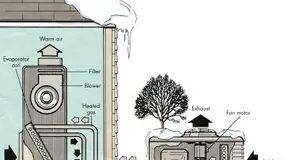
For the DIY homeowner, the installation process differs slightly. Air injection systems often require specific blower units. These are larger than the pumps used for water jets. You need adequate ventilation. You need space for the blower motor. This impacts where you place the tub in your bathroom or patio.
Materials matter too. The tub shell must withstand constant agitation. But the internal components are what fail first. Water jets clog. Air nozzles can get blocked by hair or debris. Maintenance routines change based on the type of tub you choose.
Where to Install and What to Expect
Location is key. You need a floor that can support the weight. A full tub of water weighs thousands of pounds. Add the structure of the tub itself. Do not underestimate the load.
Electrical codes vary by region. You will likely need a dedicated circuit. A licensed electrician should handle the hookup. Never cut corners here. Water and electricity do not mix well.
Consider your usage. Who will use the tub? Children? Elderly relatives?