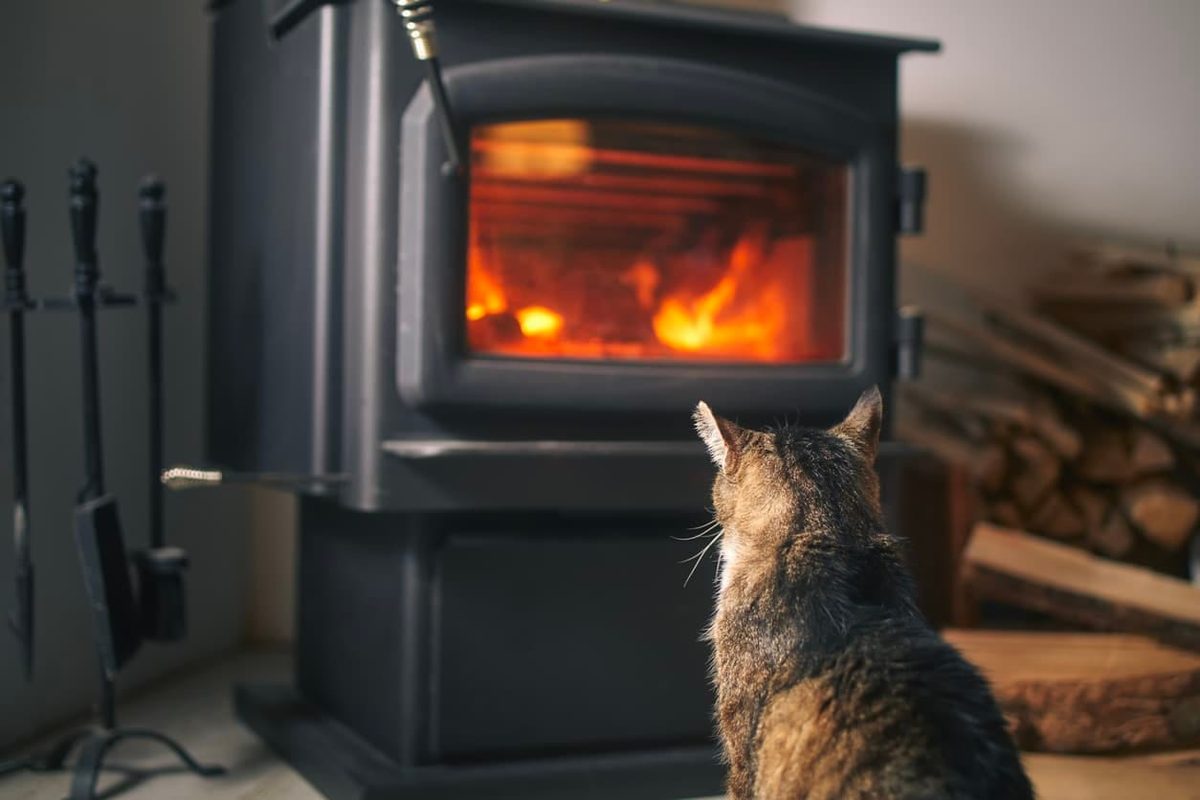
Winter is closing in. If you rely on your wood stove to keep the house warm, you need it running at peak performance. A neglected or poorly tuned stove doesn’t just underheat your rooms. It guzzles wood. It spits out more smoke. It can create genuine safety hazards.
Here is what you must check to maximize efficiency.
Зміст
Inspect the Door Gasket Condition
The door seal is the most overlooked part of wood stove maintenance. This wood stove door gasket ensures air doesn’t enter the firebox uncontrollably. It allows for controlled combustion. When the gasket wears out, air leaks in. This speeds up the burn rate. It reduces overall efficiency. You end up burning more wood for less heat.
How to Test the Seal
You don’t need fancy tools for this. Just a sheet of printer paper and your stove door.
- Close the stove door.
- Place the paper between the gasket and the door frame.
- Try to pull the paper out.
If the paper slides out with zero resistance, your gasket is shot. It’s time for a replacement.
The Real Impact
Many users notice an immediate drop in wood consumption once they replace a worn gasket. The stove holds heat better. Combustion stays efficient. You stop wasting money on wood that burns too hot and too fast.
Don’t skip this step. Cold weather demands it.
Keep the glass clear
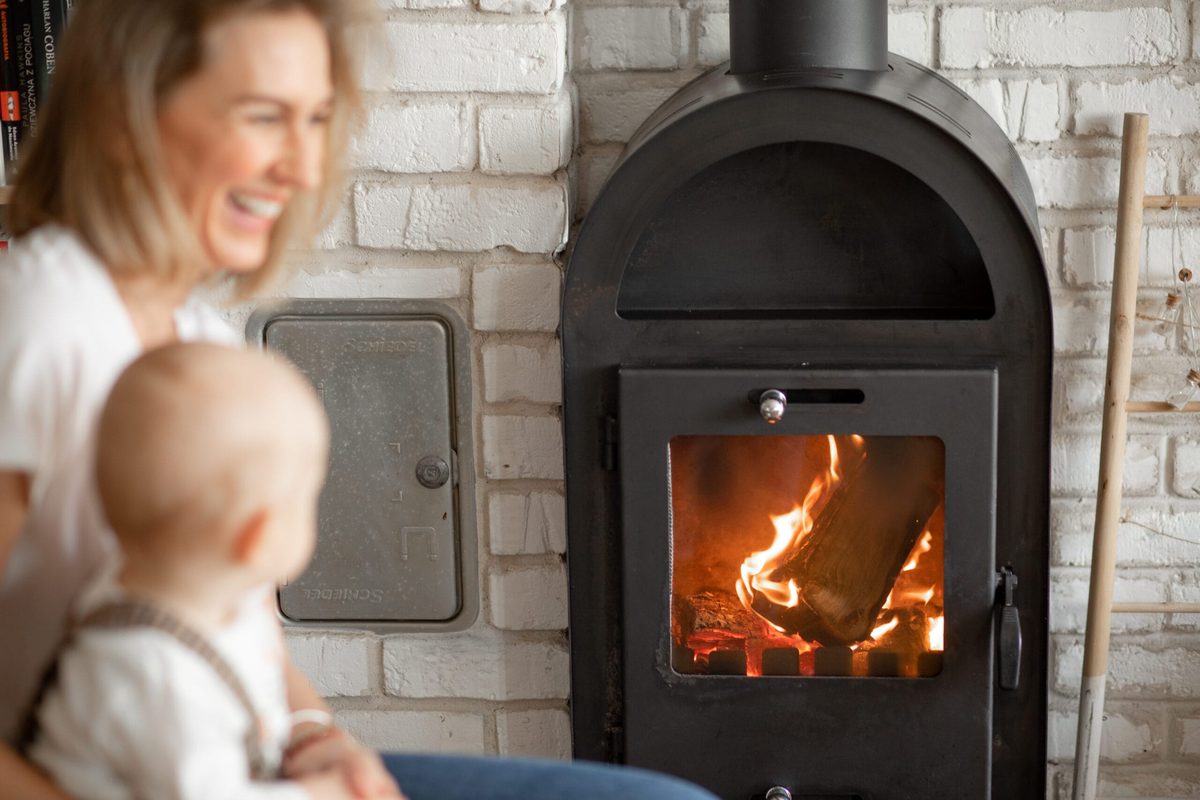
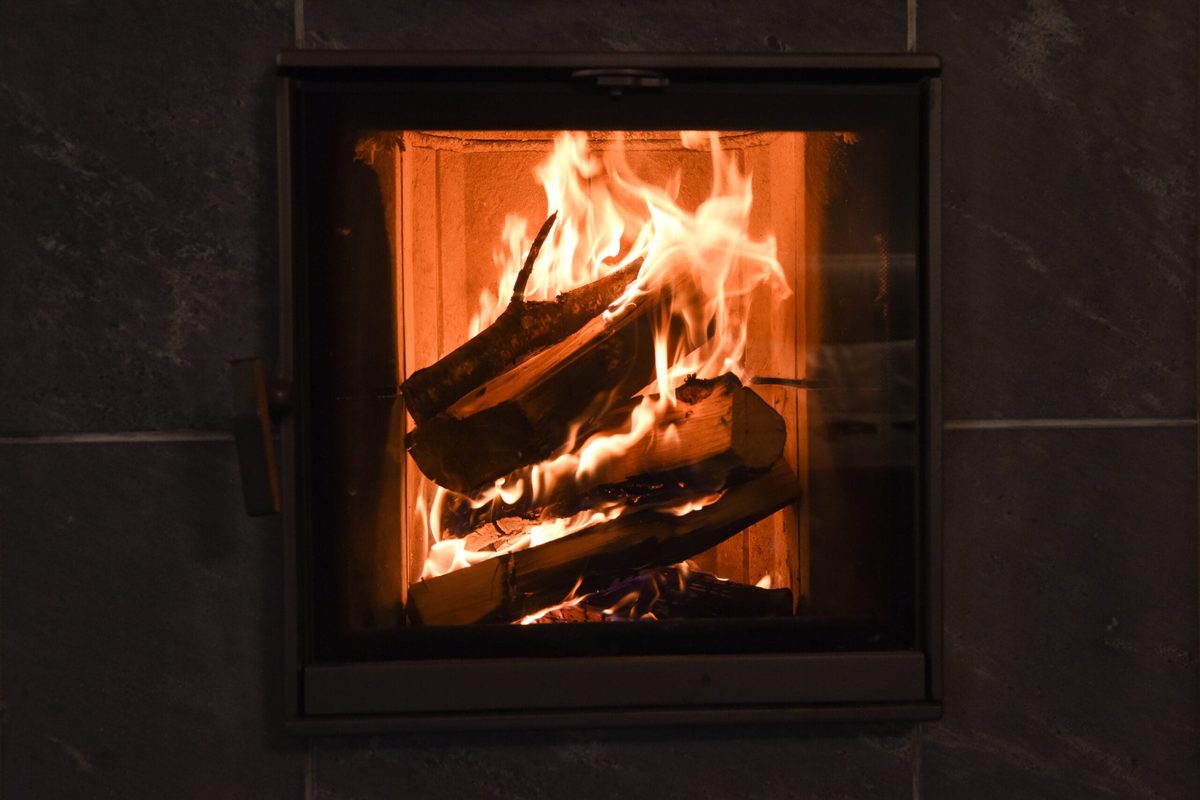
A dirty stove window isn’t just ugly. It screams that your fire isn’t burning right. When a stove works perfectly, the glass stays mostly clean. High heat creates a self-cleaning effect. It burns off the residues before they stick.
If your glass blacks up fast, look at the air intake. You might lack oxygen in the firebox. The wood could be too wet. Or your air settings are wrong.
How to clean it without scratching
Skip the harsh chemicals. Grab a damp cloth and some fine wood ash. Rub gently. It works like a mild abrasive. It cleans the surface without causing micro-scratches.
Check the draft in your flue
Your stove’s performance hinges on draft in the flue. Too little or too much air ruins combustion. Weak draft lets smoke pool inside. It leads to poor burning and soot buildup. Strong draft eats through your wood too fast. It wastes fuel.
How to test your stove’s airflow
Open the stove door slightly while it’s running. Watch the smoke. Does it spill into the room? That means your draft is insufficient. Check the chimney for blockages. Bird nests are common. Heavy creosote can plug it up too. If you have a draft regulator, adjust it.
When to sweep your chimney
Hire a pro to clean your chimney once a year. Do it before winter hits. Creosote is flammable. It reduces draft efficiency. It can also start a chimney fire if ignored.
“A clogged chimney doesn’t just reduce heat output. It creates a serious safety hazard.”
Consider upgrading your chimney cap. It stops birds and leaves from entering. It keeps the flue clear. Regular maintenance pays off in efficiency and safety.
The wood factor
Your stove’s performance hinges on what you put inside it. Wet wood or poor-quality fuel generates excessive smoke and very little heat. It also fouls the glass, the firebox, and the chimney flue much faster than dry fuel does. You need well-seasoned wood. Specifically, the moisture content should sit below 20%. Grab a hygrometer. Check the logs before loading them. Don’t guess.
Hardwoods like oak, beech, and hornbeam offer the best burn. They last longer. They release more consistent heat. Softwoods burn hot and fast, but they leave more creosote behind. You want efficiency. You want longevity. That means sticking to dense, dry timber.
Secondary air supply
This is where many homeowners miss out on efficiency. The secondary air supply injects fresh oxygen into the upper part of the firebox. It targets the unburned gases rising from the wood. Proper injection ensures complete combustion. You get more heat. You get fewer pollutants.
If your stove has this feature, verify it isn’t clogged with soot. Adjust the settings for optimal burn. A blocked vent turns your stove into a smoke factory rather than a heater.
The checklist
To squeeze every bit of warmth out of your appliance, you have to look at the big picture. It’s not just about the fire. It’s about the seal on the door. Check the gasket. If it’s cracked or brittle, hot air escapes. You lose pressure. You lose heat.
Clean the glass. A soot-covered window hides the fire’s intensity and reduces radiant heat. Inspect the chimney draft. Poor draft means poor combustion. Verify the secondary air intake. And of course, ensure your wood is dry.
Regular maintenance and precise adjustments make a tangible difference. Your wood bill drops. The room stays warmer. The chimney needs cleaning less often.
If you spot persistent issues despite these checks, call a pro. Don’t guess with fire safety.