You do the work. You water. You fertilize. You chase the sun across the room to maximize light for your green friends. Then, in a few weeks of overwatering, you get hundreds of unwanted visitors.
It’s a nightmare. But don’t stress. There are cheap, effective ways to handle the infestation. The key is acting quickly before they multiply.
Зміст
What Are Fungus Gnats Anyway?
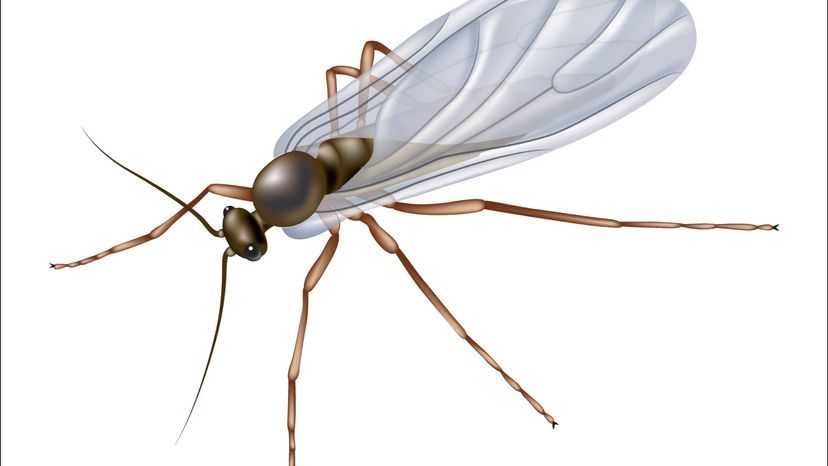
These aren’t house flies. They are tiny, about 1/8th of an inch long. Dark grey or black. Thin wings. Long legs. Long antennae.
They don’t live long. Maybe three to four weeks from egg to adult. But in that short time, they wreak havoc. Adults feed on algae and fungi in the soil. The larvae? They eat plant roots and decaying organic matter.
They don’t fly far. They cluster around the specific plant they’ve infested. They love the late fall and winter months, hovering indoors when the air is dry and the soil stays damp.
The Life Cycle Explained
Short lifespan doesn’t mean low impact. An adult gnat can lay up to 300 eggs. That’s how a small problem becomes a full-blown infestation.
Here is the timeline:
- Eggs: Hatch in as little as four days.
- Larvae: Live in moist soil for roughly 12 days. They feed and grow.
- Pupal Stage: Lasts four to six days.
- Adult: Grows to about 1/4 inch. Flies around for eight days, laying eggs on the soil surface of the host plant.
The larvae spend most of their time in or on the soil surface. That’s where you need to focus your attention.
Confirm It’s Fungus Gnats
Before you buy products, verify the enemy. Use the raw potato test.
Place a slice of raw potato on the soil near the infested plant. Wait a few hours.
If you see them migrating to the potato, it’s fungus gnats. Lift the potato. You should see larvae underneath.
If you see no movement, it might be something else. Check your sources for other possibilities if the potato test yields nothing.
Fungus Gnat Treatment Options
You have multiple fungus gnats treatment paths. Pick one or combine them for maximum effect.
Microbial Insecticides
Drench the soil with a microbial insecticide. Bacillus thuringiensis, or Bt, is the gold standard. It kills the larvae. It’s highly effective and specific to the problem.
Sticky Traps
Yellow sticky traps work. Place them near the infested plant. The standard size is 3-by-5 inches. They attract and kill many adult gnats. They don’t catch everything, but they reduce the breeding population significantly.
DIY Liquid Traps
Make your own trap. Fill a small bowl with warm water. Add apple cider vinegar. Add sugar. Drop in a few drops of liquid dish soap. The soap breaks the surface tension, trapping the gnats as they try to land.
Diatomaceous Earth
This is organic matter from fossilized aquatic skeletons called diatoms. Sprinkle it around the base of the infected plant. Gnats hate it. It dries out their exoskeletons. It’s a physical barrier that works well.
How to Prevent Future Infestations
Fungus gnats don’t harm humans. They don’t bite. They don’t spread disease. But they stunt plant growth. They contribute to root rot. They are bad roommates for your houseplants.
Prevention is easier than cure.
Stop Overwatering
This is the leading cause. Gnats thrive in moist potting soil. Let the soil dry out between waterings. A dry surface stops egg-laying and larval survival.
Use Sand
Cover the base of your plants with a half-inch of sand. It creates a dry barrier. The larvae can’t burrow through it. It helps kill current infestations and prevents new ones.
Clean Your Drains
Gnats breed in sink drains too. Organic debris builds up. Clear it out. Keep the drain clean. If they breed in your sink, they’ll find the plants nearby.
Bottom Line
You paid good money for these plants. You put work into keeping them green. Don’t let easy-to-eliminate annoyances take them out.
Apply the tips above. Change your watering habits. Use traps.
The gnats will go. Your plants will stay.
There is always more soil to dry out, more traps to place. The battle isn’t over until the last larva is gone. Keep watching your plants.