
There is a hard line between DIY and calling in the pros. You need to know where it is. If you are thinking about adding a room or tackling something that requires specialized tools and deep technical knowledge, stop. Hand it over.
But hiring help isn’t simple. You have to understand the hierarchy. Think of a general contractor as an event planner. You wouldn’t ask the planner to bake the wedding cake. You pay them to organize the baker, the caterer, and the florist. They use their network. They coordinate. The event planner is the general contractor. The baker and caterer are the subcontractors.
This distinction matters when you are budgeting and planning a renovation.
Зміст
The Role of the General Contractor
General contractors handle the big picture. They are there from the first sketch to the final punch list. They manage the timeline. They secure permits. They solve the problems you don’t even see yet. They are the single point of contact for you, the homeowner.
If you try to play the general contractor yourself, you become the event planner. And you have to know who to call.
Who Are Subcontractors?
Subcontractors come and go. They are specialists. They don’t manage the whole project. They execute specific tasks.
You hire them for their craft. This includes:
– Plumbing
– Electrical work
– Carpentry
– Concrete work
– Large equipment operation
Once the job is done, they leave. They don’t stay for the cleanup. They don’t coordinate the next phase. They do their trade and exit the site.
Why Can’t Contractors Just Have Staff?
You might wonder why general contractors don’t just employ everyone directly. It seems simpler. Why not have a salaried plumber and a fixed electrician on payroll?
The answer is scale and specialization. A general contractor’s business model relies on flexibility. They can’t keep a full-time crew for every possible trade. It is too expensive. It creates idle time.
Instead, they build a Rolodex. A list of trusted subs. These are people who show up when needed. They deliver quality work. They understand the flow of construction. The general contractor vouches for them. You don’t have to vet every electrician in your city. You trust the GC’s judgment.
This system works until it doesn’t. When a sub flakes out. When a GC picks the wrong person. Then you are left holding the bag. And the timeline is already slipping.

The Business Behind the Blueprint
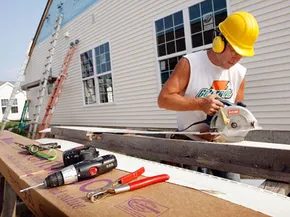
When you bring in a general contractor, the team structure varies. Some firms keep a permanent crew on payroll. Others lean heavily on subcontractors. It comes down to economics. Employing full-time staff means covering salaries and worker’s compensation insurance. It’s a fixed cost.
Raymond Vigneau owns Metal Building Contractors, Inc. in Allen Park, Michigan. He told us his staff size stays small. “It’s not cost effective to increase the size of my staff because the workload is inconsistent,” he said. “I hire subcontractors to do anything beyond what my employees can do.”
Subcontractors are independent. You don’t pay their taxes. You don’t insure them. Hiring them for overflow work or specialized tasks saves money for the contractor. You see those savings, too. But this economic shift raises a big question. Should you hire a general contractor for your remodeling project? Or should you manage subcontractors directly? The answer lies in what the contractor actually brings to the table.
Managing Risk and Liability
Good contractors offer more than just labor. They provide project management expertise. They know industry standards. But there are tangible requirements, too. A solid contractor holds a license, insurance, and worker’s compensation coverage. If you act as your own general contractor, you assume the liability. You are on the hook for injuries. You cover property damage.
The stress relief is significant. The general contractor guarantees the quality of the work. If something goes wrong during construction, the contractor fixes it. The repair cost comes out of their budget. Not yours.
Knowledge is another key resource. Contractors know building codes. They understand appropriate materials and proper construction methods. Safety is part of that package, both during and after construction. This knowledge saves you from learning the hard way. You won’t have to figure out when it’s too cold to pour concrete. You won’t need to guess how long caulk needs to cure before painting. You won’t have to wonder why the plumber must install a P-trap under your new sink.
A experienced contractor also knows which subs are reliable. They know who to avoid.
They have done this before. From initial planning to final cleanup, contractors manage workflow like conductors. They cue different players. They know when each team takes the lead. If you hire well, your general contractor keeps crews busy. The work flows.
The Danger of Mechanic’s Liens
There is a legal trap many homeowners miss. It’s called the Lien Law. A lien is a claim of payment due. It attaches to your property title. You cannot sell your house until the claim is settled.
If you withhold payment from a contractor due to a dispute, they can place a lien on your house. But it’s not just the contractor who can do it. If your contractor doesn’t pay the supplier who provided materials, that supplier can lien your home. If the contractor doesn’t pay a subcontractor, that person can lien your home too.
This happens even if you paid the general contractor in full. You might not know a lien was filed until you try to sell. That’s a devastating surprise.
How do you protect yourself? Check your contractor’s credit history. Look for any claims filed against them before signing anything. Include a provision for lien waivers in your contract. This is a legal document. The general contractor, and possibly suppliers and subs, sign it each time you make a payment. It states that payment has satisfied their requirements. They waive the right to file a lien.
It’s a small piece of paper. It prevents massive headaches.
Deciding on Your Role
In the end, the decision is yours. Does your job warrant a general contractor? Can you handle the project yourself? A good contractor takes worry away. You sit back. You enjoy the result.
But that requires trust. It requires knowing the difference between a licensed pro and an amateur with a truck. The details matter. The paperwork matters. The people you hire matter most.
If you skip the contractor, you become the conductor. You have to know every instrument. You have to know when to bring them in. One wrong note, and the whole composition fails.
There is no universal rule. Some homeowners thrive in chaos. They learn fast. They find good deals on subs. But for many, the cost of stress isn’t worth the savings. The lien risk alone might justify the fee. Or maybe you want the control.
The choice remains. But whatever you choose, make sure you’re not leaving yourself exposed.
Where to Find Answers for Your Next DIY Project
The internet is a vast, confusing place. You might be staring at a leaky faucet or a half-tiled wall wondering if you’re doing it right. The links below are old gold. They cut through the noise.
If you’re mapping out a whole-house remodel, start with How Home Floor Plans Work. Layout matters. Get the flow wrong, and no amount of expensive tile will save you. It’s not just about aesthetics. It’s about how you actually live in the space.
Then there’s stone. How Granite Countertops Work breaks down why some slabs crack while others last decades. You’re not just buying rock. You’re buying maintenance and weight considerations. Know the difference between polished and honed before you sign the check.
Concrete is another beast. How Quikrete Works explains the chemistry of setting. You can pour it in a bucket or a foundation. The principles are the same. Mix, pour, finish. Skip this step, and your patio will crumble in three winters.
Gutter guards. Everyone claims they work. Do gutter guards work? is the only honest answer. They reduce clogs. They don’t eliminate them. If you live under a pine tree, you’re still climbing a ladder. Just less often.
Fireplaces are cozy until they’re a hazard. What are fireplace inserts? looks at efficiency. Old open hearths are heat vampires. Inserts seal the gap. They push more warmth into the room and less up the chimney. Check your local codes first.
For outdoor living, How Composite Decking Works is essential. It’s wood-plastic composite. It doesn’t rot. It doesn’t splinter. It costs more upfront. You save on staining and sealing forever. Calculate the break-even point. It’s usually worth it.
The Human Element: Hiring Help
Books get you started. Experts keep you sane.
Amy Johnston’s What the “Experts” may Not Tell You About™. . .Building or Renovating Your Home warns against the sales pitch. Contractors love jargon. It sounds impressive until you realize it means nothing. Read the fine print.
Tom Philbin’s How to Hire a Home Improvement Contractor Without Getting Chiseled is darker but necessary. You’re looking for a partner, not a victim. Background checks matter. References matter. If they don’t want to give you three past clients, walk away.
This Old House magazine (June 2008) offers a different view. “On the Couch with This Old House” talks about the psychology of renovation. You’ll stress out. You’ll argue with your spouse. You’ll question every decision. It’s normal. Just don’t panic.
Bob Vila and Hugh Howard’s Bob Vila’s Complete Guide to Remodeling Your Home remains a staple. It’s encyclopedic. It’s heavy. Keep it on the coffee table. When you forget how to hang a door, flip to the index.
Village Vigneau, owner of Metal Building Contractors, Inc., offers a contractor’s perspective. His interview from 2009 highlights the gap between expectation and reality. What looks easy on TV is messy in practice. Respect the trades.
Protecting Your Investment
Renovation isn’t just wood and wire.