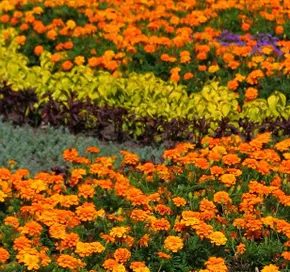
Most people think of a garden as a patch of grass with some flowers stuck in it. That’s a waste of space. Your yard has topography, light conditions, and soil types that dictate what actually survives. If you try to force a water-loving plant into dry, rocky soil, you’re just fighting a losing battle. The trick is matching the garden style to the landscape’s natural constraints.
Some homeowners want the rugged look of alpine terrain. Others need a low-maintenance fix for a slope that’s a nightmare to mow. There’s a specific garden type for almost every corner of your property. Here is how to break them down.
Зміст
Rock Gardens for Slopes and Drought
A rock garden isn’t just a pile of stones. It’s supposed to mimic an alpine mountainside. You want rough-hewn rocks, not smooth river stones. Think jagged edges and crevices. Pair them with mountain flowers and hardy foliage that can handle the drain.
The real utility here is topographical. If you have a steep hill in your lawn, a rock garden solves two problems at once. It stops erosion. And it removes the need to maneuver a mower up and down a dangerous incline.
What you need:
* Large, porous rocks for drainage and structure.
* Alpine plants like sedum, saxifrage, or thyme.
* Well-draining soil mix.
Shade Gardens for Dark Corners
Northern exposures are often cold and dark. Large trees cast deep shadows that kill most sun-loving turf. Don’t fight it. Embrace the gloom.
Shade gardens thrive in these neglected spots. You’ll swap out sunflowers for ferns, hostas, and shade-tolerant ground covers. It’s about brightening up shadowy areas without forcing plants to grow where they can’t. You can use vines to climb up the trunks of those large shade trees, too.
Key plants:
* Hostas (for leaf texture).
* Ferns (for that lush, forest-floor look).
* Astilbe or bleeding heart for pops of color.
Water Gardens on a Budget
Water features used to be professional projects. You had to pour concrete, hire landscapers, and pray the liner didn’t leak. That era is over.
Modern flexible liners and preformed pools have democratized water gardening. You can dig a hole, lay down a liner, fill it with water, and plant aquatic species. It’s not as complicated as it sounds. The key is choosing the right depth for your plants. Some need to be submerged; others need their roots wet but leaves in the air.
Safety and maintenance:
* Install a pump if you want moving water; it keeps mosquitoes at bay.
* Choose native aquatic plants to prevent invasive species from taking over.
* Check liner integrity annually before winter.
Herb Gardens for the Kitchen
Why buy basil at the store when you can strip it off your patio in three seconds? Herb gardens bridge the gap between horticulture and cooking. You get perennials (like rosemary and thyme) and annuals (like cilantro and parsley).
These are forgiving. They don’t need perfect drainage as much as most ornamentals do, though they still hate being soggy. You can grow them in the ground or in window planters if space is tight. The payoff is immediate flavor. No more digging through a crumpled bag of dried herbs that tasted like dust.
Container Gardening for Small Spaces
If you rent, or if your yard is essentially a concrete slab, containers are your only option. This is also the best entry point for beginners. You control the soil. You control the drainage. If a plant dies, you toss it, not your entire landscape plan.
You can mix foliage with flowers in one pot, or dedicate specific containers to specialty plants. Orchids, miniature roses, or just a single striking focal plant. It’s modular. You can move them around to chase the sun as the seasons change.
Bulb Gardens for Spring Showcases
Bulbs are a bet on the future. You plant them in the fall, bury them deep, and then wait months. When spring hits, you’re rewarded with stunning, reliable color. Daffodils, tulips, hyacinths—they all come from bulbs.
The maintenance is minimal after planting. However, you have to handle them correctly after blooming. Don’t cut the leaves off the bulbs immediately. Let them yellow and die back naturally. This feeds the bulb for next year’s show. If you divide them at the end of the cycle, you can propagate more for free.
Annuals vs. Perennials: The Core Decision
This is the biggest choice you’ll make. It dictates your weekly workload.
Annuals bloom from spring until the first frost. They are non-stop color machines. But they die after one season. You have to replant every year. You also need to deadhead them (remove spent blooms) to encourage more flowers. Weeding and watering are constant. If you want instant gratification and don’t mind the work, go annual.
Perennials come back year after year. They establish deep root