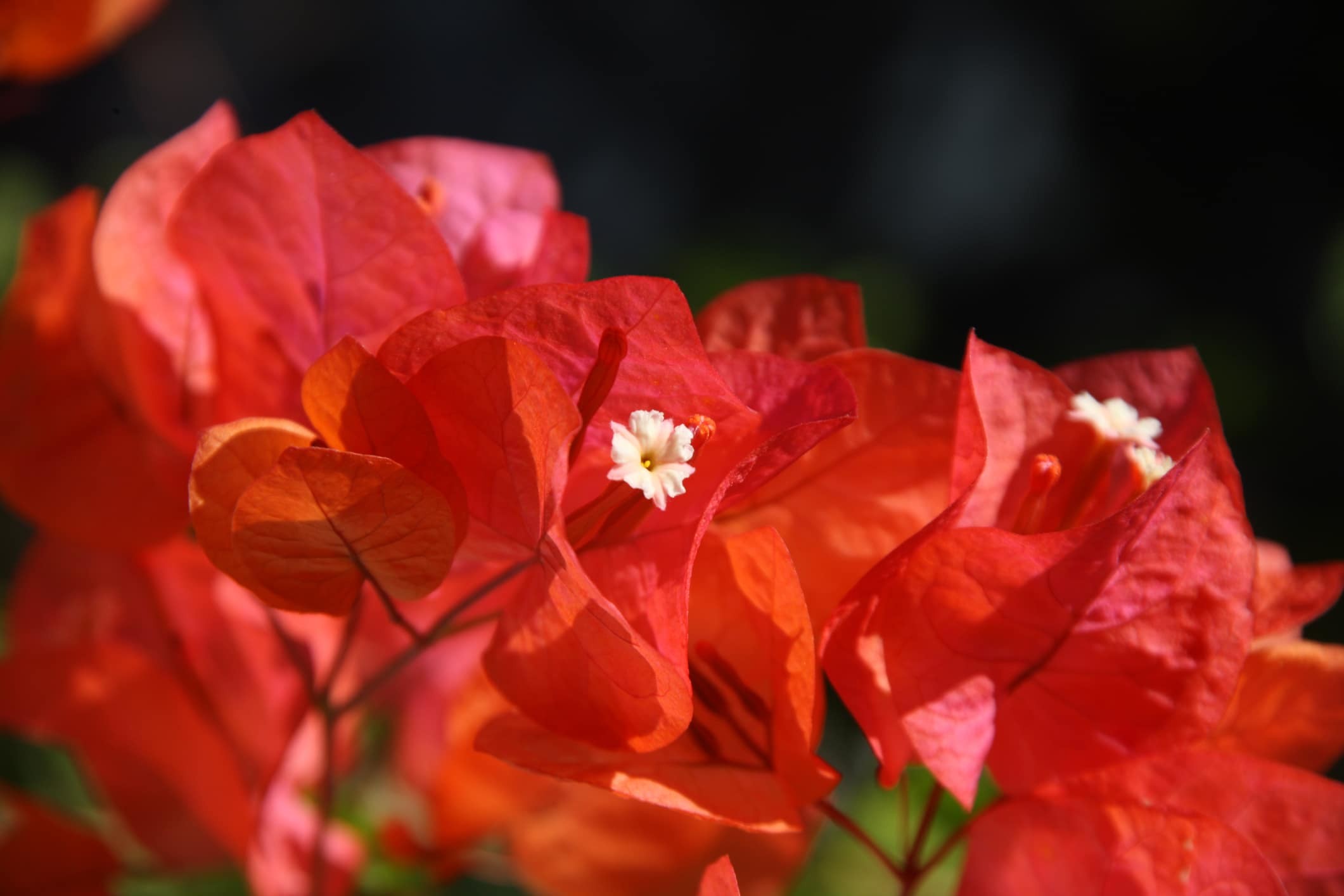
The bougainvillea turns patios into Mediterranean masterpieces. Everyone loves the vibrant flowers. But they often miss the biggest threat. Autumn is the most dangerous season for this sun-loving plant. As soon as the first chill hits, the southern gem faces a critical period. One forgotten step can be fatal. Why do so many bougainvilleas disappear in French gardens during fall? How do you react before irreversible damage occurs? Here is how to keep your garden beautiful until next spring.
Зміст
Why Autumn Threatens Your Bougainvillea
The bougainvillea hates sudden temperature drops. It originates from hot climates. When the thermometer hits 10°C, growth slows. Defenses weaken. Autumn in France brings thermal contrasts. Cool mornings. Warm afternoons. Freezing nights. These swings weaken the plant, even in mild climates.
Humidity sets in with the first rains. Dead leaves accumulate on the soil. Poor air circulation creates a breeding ground for cryptogamic diseases. Mold and root rot spread quickly. A robust plant becomes vulnerable in weeks. It happens without warning if you ignore seasonal changes.
Signs of Distress to Watch For
Do not wait for the plant to be bare. Look for yellowing leaves. Watch for brown spots. A limp posture is a bad sign. The blooming might stop abruptly. Premature leaf drop signals suffering. React quickly. You need to give the plant a chance before winter.
Sheltering Strategies for Winter
Location matters. In mild regions like the south of France or coastal zones, an established ground plant can survive. It needs protection in time. Move north or where frost threatens. Grow it in pots. Bring it indoors. Use a greenhouse, sunroom, or bright room above freezing. Put casters under the pot. Use light mulch. Make the move easier.
Pile natural materials around the base. Bark, dead leaves, straw work well. Start in September. For ground plants, use a winter cover or frost cloth. Put it up in the evening. Block cold wind. Let light pass. For potted plants, elevate them. Avoid direct contact with the ground. Terraces and concrete slabs radiate cold.
Autumn Watering: The Deadly Mistake
Watering like summer is a common error. Cut back in autumn. Wait until the topsoil dries. Then add water. Excess humidity invites disease. It causes poor root establishment. This combination is fatal during the first cold snaps.
Pruning and Care for the Cold Season
Perform light pruning in September or October. Remove damaged stems. Keep a compact shape. Improve air circulation. Take off faded flowers and yellow leaves. This aerates the bush. It limits fungal proliferation.
Feed the roots before winter enters. Apply well-rotted compost. Use slow-release organic fertilizer. This helps the plant store nutrients until spring. Choose natural products. Crushed horns or guano strengthen defenses. Do not upset the soil balance.
Clean the base before heavy rains. Remove fallen leaves and branches. Inspect for spots or mold. Treat locally with nettle tea or black soap. This prevents parasite attacks. Avoid chemical pesticides. They weaken the plant further.
Fatal Errors to Avoid
Too much heat or water is dangerous. Placing the plant behind a glass door that gets too sunny is risky. Overwatering out of habit is worse. Stagnant humidity and excessive heat cause sudden stress. Leaves fall off. The plant weakens for years.
Light is non-negotiable. Bougainvillea is not a shade plant. Do not move it to a dark room. Do not let deciduous trees cast heavy shadows nearby. It needs several hours of direct light. Even in autumn.
Neglect is fatal. A plant ignored for a few weeks suffers heavily from autumn diseases. The key is regular monitoring. Adjust watering precisely. Observe closely. Pay attention between mid-September and the first frost.
The work is not done until the first true freeze passes. You have set the stage. The rest depends on the weather and your vigilance. Keep watching the leaves. They will tell you what the roots are feeling.
Signs your bougainvillea is actually winter-ready
You aren’t guessing anymore. You are looking.
A healthy bougainvillea entering dormancy doesn’t look like it’s dying. It looks like it’s resting. The leaves stay on. They might turn slightly yellow or drop a few, but the branch structure remains dense. Compact. Solid.
Check the roots if you can. Pull the plant gently from its pot. If the root ball smells like earth and holds together, you are in good shape. If it smells like rot, you have already failed. If it falls apart into dust, it’s too dry. Aim for firm. Damp but not soupy.
Color returns in late autumn. That’s not a fluke. That’s resistance. When the bracts hold their hue longer than expected, the plant is storing energy. It’s preparing for the dark months.
Spring prep starts in October
Most homeowners wait until April. That’s too late.
Start cleaning tools in September. Disinfect pruning shears. Cut out dead wood that didn’t survive the first frost. Dispose of it. Do not compost it. Diseases hide in dead stems.
Refresh the mulch layer before the ground freezes. Old mulch compresses. It suffocates roots. Add fresh organic matter. Shredded leaves work fine. Straw is okay. Pine needles are better for drainage.
If you are repotting, get the soil mix ready now. Standard potting soil is often too dense for bougainvillea. Mix in perlite. Add pumice. Ensure drainage is aggressive. Waterlogged roots are the number one killer of these plants in winter.
Small changes that prevent big problems
Install a windbreak.
Bougainvilleas hate cold wind. It dries them out faster than the cold itself. Use burlap. Use a temporary fence. Plant a hedge nearby if possible. The wind chill factor kills foliage that might otherwise survive the temperature.
Elevate the planting bed.
If you are in the ground, raise the soil level by four to six inches. This prevents water from pooling around the crown during winter rains. Standing water equals root rot. Root rot equals a dead plant.
Choose specific mulches.
Avoid thick layers of bark. They retain too much moisture. Use coarse materials. Gravel on top of mulch helps keep the soil surface dry and warm.
Why this matters for your garden
The bougainvillea is not just a plant. It is a statement.
It signals warmth. It signals care. But it requires vigilance. You cannot ignore it for six months and expect miracles.
Check it weekly in late winter. Look for new buds. Even small bumps indicate life. If you see green, you are winning.
These same principles apply to other Mediterranean plants. Olive trees. Citrus. Rosemary. They all need dry feet and protected stems.
Start small.
Pick one corner of your garden. Treat it with the same precision you would give a house renovation. Measure the wind. Test the drainage. Monitor the temperature.
The bloom in spring will be louder because of the silence in winter.