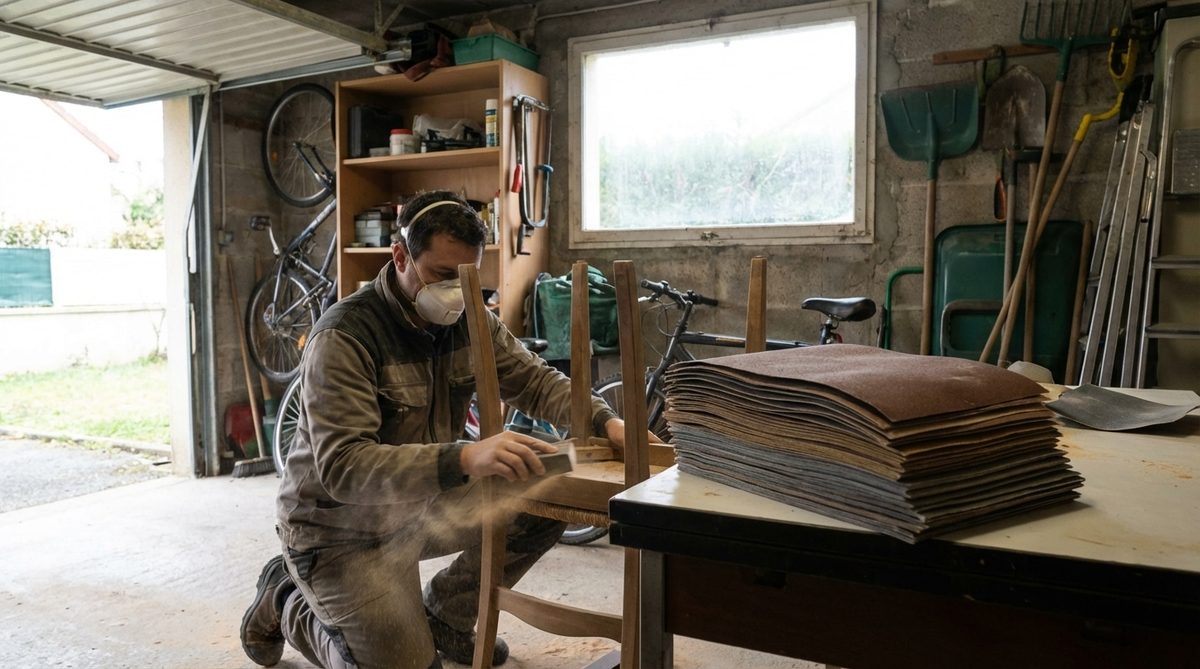
The urge to breathe new life into dusty, forgotten furniture hits hard. You see the potential. You see the project. But then you hit the wall of prep work. Specifically, sanding.
It is unavoidable. You cannot skip it if you want a finish that doesn’t peel off in a week. I have spent years cursing at the price of consumables. Three euros for ten sheets of sandpaper. Ten sheets. That adds up fast. It feels like a tax on enthusiasm.
I found a fix. It changed my workflow completely.
Зміст
The High Cost of Abrasives
Specialty stores sell sandpaper like it is gold dust. Small packets, expensive prices. You think it is fine for a quick fix. Then you start on a major project. Stripping an old wooden dresser. Prepping a metal railing. The consumption rate goes vertical.
Suddenly, your budget for abrasives is eating your profit margin. Or your weekend fun money. It turns a simple renovation into a financial sinkhole. You want to work calmly. You want to focus on the craft, not the calculator. Finding a cheaper alternative became urgent. The result must still be good. The price must drop.
The Action Store Discovery
I stumbled upon the solution in the hardware aisle of Action.
Not a specialized tool shop. Not an expensive home improvement center. Action. The discount retailer.
The price difference is staggering. We are talking about a fraction of the usual cost. Same grits. Same functionality. Just a different price tag. It removed the stress from buying supplies.
“Paying three euros for ten sheets was draining my budget. Finding the same quality for a fraction of the price at Action changed my DIY game.”
This isn’t just about saving a few dollars. It is about sustainability. Buying cheaper means less waste from price-gouging. It means you can practice more. You can sand more. You can get that smooth finish without worrying about the receipt in your pocket.
The hunt for affordable consumables doesn’t end here. The real test comes when you are in the middle of a project and need to switch grits quickly. Does the cheaper paper clog just as fast? We will dig into the durability and performance in the next section.

Why this 5€ sanding pack is a DIY game-changer
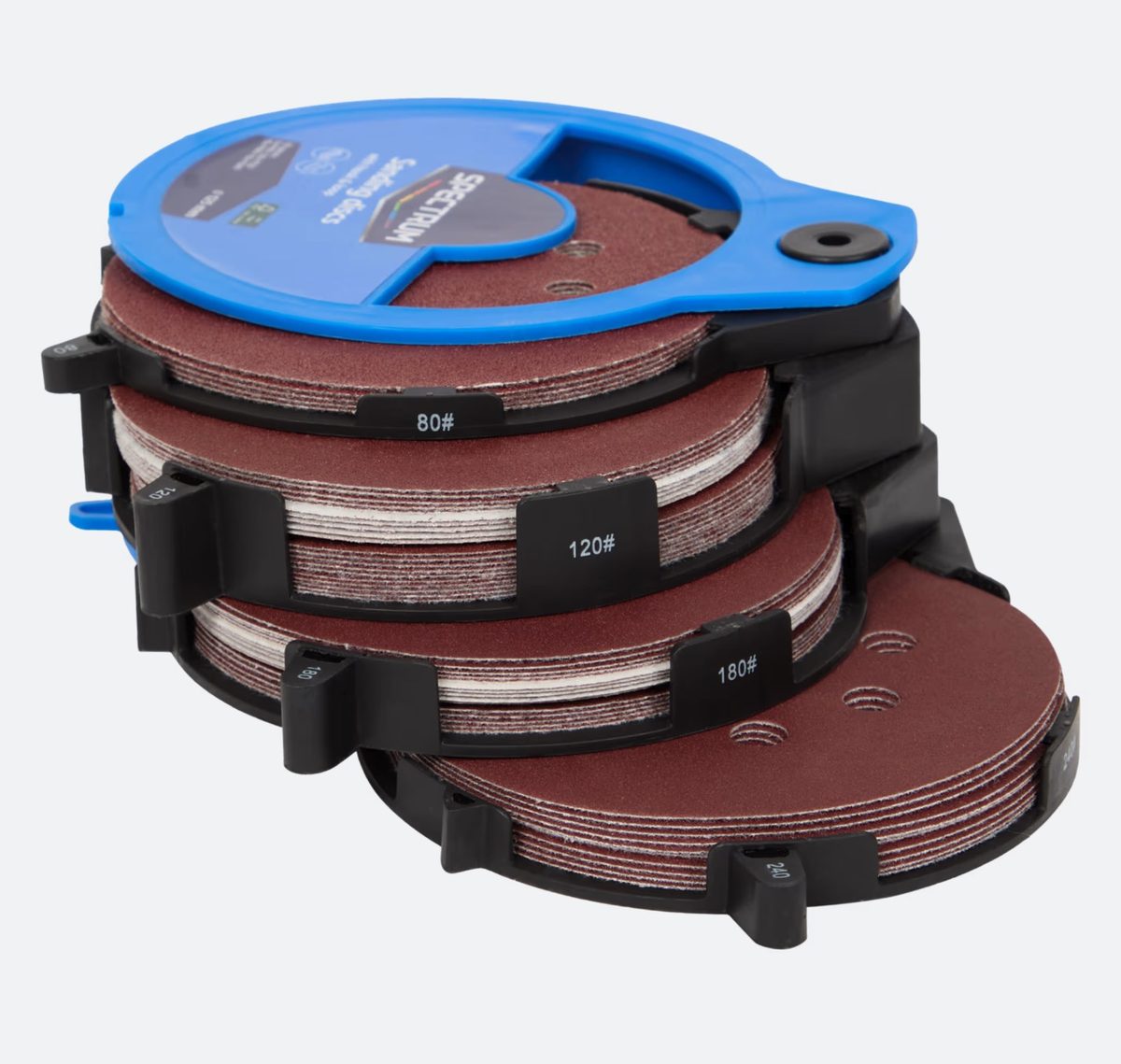
Five euros. That is the price tag for what is easily the smartest buy in your hardware haul this month. You walk into Action, grab a box of Spectrum sanding discs, and walk out with fifty of them. No fine print. No hidden fees. Just fifty 125mm discs ready to destroy imperfections on wood or metal.
Most of us treat sandpaper like a consumable we hate to buy. You burn through a sheet, it gets clogged, you toss it. It’s expensive. It’s wasteful. And frankly, it slows down any serious renovation project. This lot changes the math.
The grain breakdown you actually need
You aren’t getting fifty sheets of the same grit. That would be useless. You need coarse work for stripping paint and fine work for finishing. Spectrum split the pack intelligently so you can go from rough to smooth without stopping to shop.
Here is what is inside the box:
- 5 discs at grit 80
- 20 discs at grit 120
- 15 discs at grit 180
- 10 discs at grit 240
That mix covers about 90% of home projects. Start at 80 to knock down high spots or strip old varnish. Move to 120 to remove the scratches. Finish with 180 or 240 for that glass-like surface before painting or staining. It’s a complete workflow in one cheap package.
Does cheap mean flimsy?
The skepticism is real. When something costs less than a coffee, you expect it to fall apart on the first pass. You grip the sander, turn it on to max speed, and brace for the paper to tear off or vibrate loose.
It doesn’t.
The secret is the backing. These discs use a robust Velcro-style adhesive strip. It locks into your random orbit sander and stays there, even when you’re pushing hard against a knot in oak or grinding rust off steel. The paper itself is FSC-certified, which is a nice touch for responsible sourcing, but the real win is durability. The grit holds up. It doesn’t load up with dust as quickly as cheaper alternatives, meaning you get more use out of each sheet before tossing it.
How to use this pack effectively
Stop treating sandpaper like an afterthought. Treat it like a tool.
- Prep your surface. Clean off loose debris first. Sanding over dirt just creates deep scratches.
- Start coarse. Use the grit 80 discs for major material removal. Don’t skip this step. If you go straight to grit 120, you’ll spend hours trying to flatten a warped board.
- Check your work. Wipe away dust. Look for scratches. If you see them, switch to grit 120.
- Refine. Move to 180. This removes the scratches from the previous step.
- Finish. Use 240 for the final pass before applying stain or paint.
Is this worth the switch?
Yes. The value proposition is absurd. You are getting professional-grade versatility for the price of a lunch. For