You can’t stop milk from spilling or red wine from tipping. The trick isn’t prevention. It’s reaction speed.
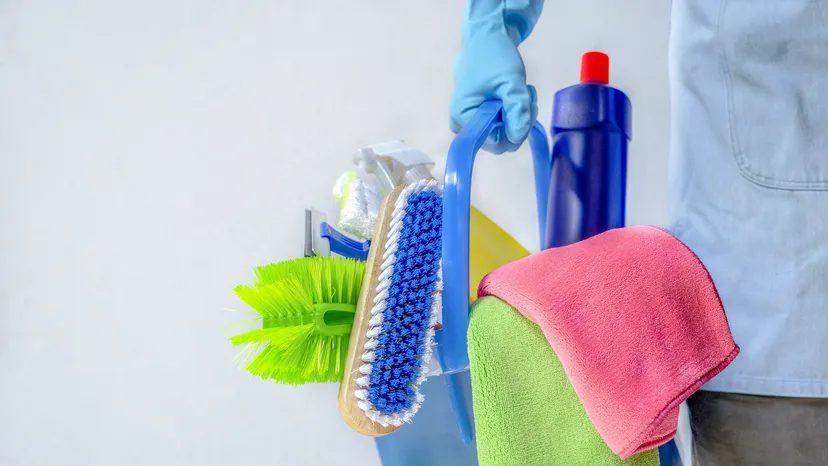
If you wait until the stain sets, you’re already losing. Treating spots the moment they hit your floor or furniture requires a pre-staged arsenal. You need the right solvents, bleaches, and detergents within arm’s reach. But before you buy chemicals, grab the physical tools that make the actual removal possible.
Here is what you actually need in your cleaning kit to handle a spot catastrophe without panic.
Essential Tools for Spot Treatment
Most stains respond to pressure, absorption, and gentle agitation. You don’t need fancy gadgets. You need items that won’t leave lint or damage fibers.
- Clean white cotton cloths: Colored rags can bleed into the stain. White cotton is inert and safe for most fabrics.
- Absorbents: Disposable diapers, white blotting paper, or plain paper towels. These pull moisture out of the fabric rather than pushing it deeper.
- Blunt utensils: A spoon, blunt knife, or spatula. Use these to scrape up solids. Never rub. Rubbing grinds the particle into the weave.
- Precision applicators: An eyedropper, trigger spray bottle, or a fine mister. You need controlled delivery of liquid solutions.
- Soft brushes: A small brush with soft bristles for gentle agitation.
- Colorfast weights: Small, non-corrosive weights to hold cloths in place while they draw out stains. This prevents the cloth from sliding and spreading the mess.
Choosing the Right Stain Removal Agents
Not all stains are created equal. A grease spot on a silk blouse requires a different approach than mud on a wool rug.
Start by identifying your biggest liabilities. What spills happen most often in your home?
- Grease and oil: Needs a dry cleaning solvent or specialized degreaser.
- Protein-based (blood, egg): Cold water and enzymatic washing agents. Hot water cooks the protein in, setting the stain permanently.
- Tannins (coffee, tea, wine): Bleaches or acidic treatments like vinegar solutions.
- Dyes (ink, grass): Alcohol-based solvents or specialized dye removers.
You can find most of these at grocery stores, hardware outlets, or pharmacies. Stock up on the ones relevant to your lifestyle.
Critical Safety Precautions
Here is the part people skip until it’s too late.
Stain removal agents are often toxic or flammable. Mixing chemicals can create dangerous fumes. Always read the labels before you start.
- Ventilation: Open windows. Run fans.
- Protection: Wear gloves. Some solvents eat through skin.
- Testing: Always test any chemical on a hidden area first. Check for colorfastness.
- Storage: Keep all agents away from heat sources and out of reach of children and pets.
Preparation turns a disaster into a minor inconvenience. Keep your kit stocked. Keep it visible. And for heaven’s sake, don’t wait until the wine is on the carpet to start thinking about the spoon.


