You take out your beloved pan for winter stews or roasted chestnuts and chasing the memory of holiday markets. It feels nice. It feels right.
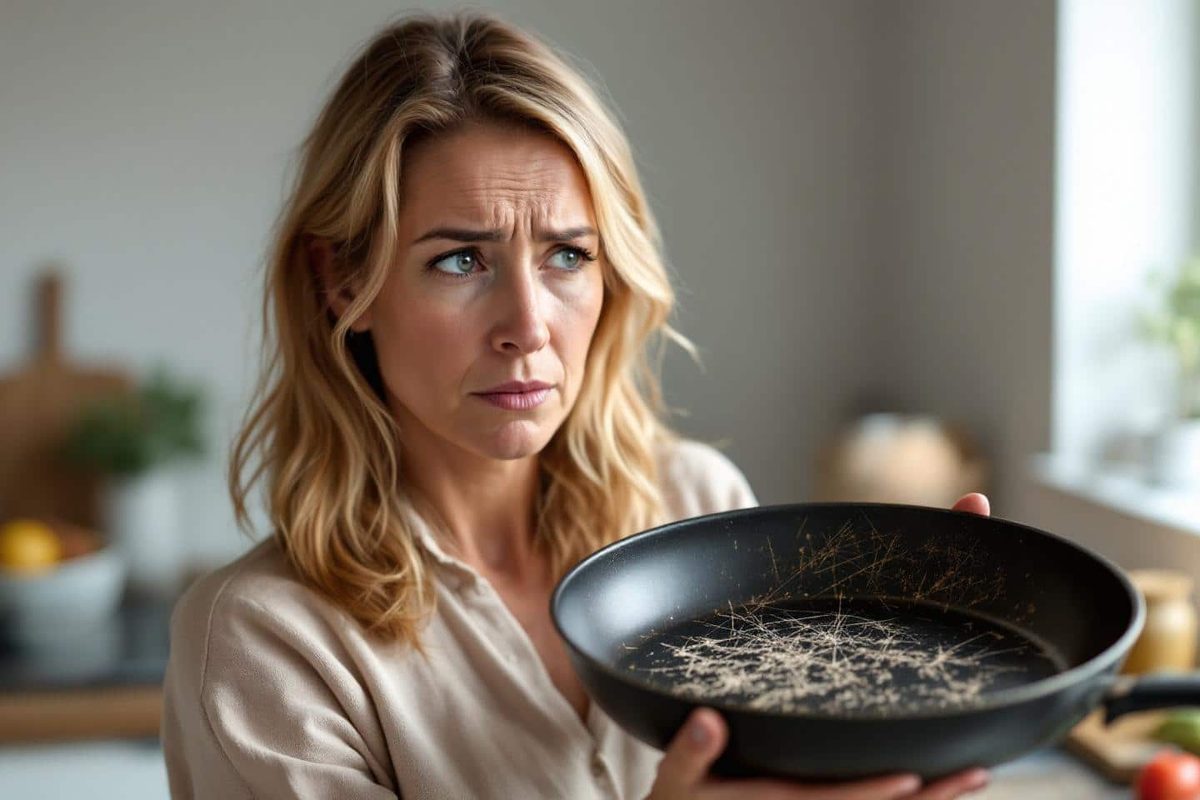
But in the heat of the kitchen, seemingly innocuous moves can sabotage these culinary allies. Small routine mistakes – often unnoticed – lead to scratches, deformations and loss of non-stick properties long before their time. Premature wear and tear is not destiny. It is usually the result of avoidable mistakes.
Good news? You can preserve your cookware year after year without additional costs or without making your life difficult. Let’s take a look at why pans break prematurely and how you can prevent them from failing.
Зміст
The silent killers of Pan Longevity
Many people don’t realize how quickly a pan can break down through repeated daily procedures that seem harmless. For French home cooks, the pan is a symbol of cheerfulness – from breakfast eggs to Sunday crepes. However, certain reflexes silently accelerate aging.
The main reason for this is heating the empty pan while chopping the ingredients. Another option is to mix with a metal spatula with a non-stick coating. Immersing a hot pan in cold water immediately after cooking on high heat causes thermal shock.
Other common mistakes include:
- Leaving the pan soaking in the sink for hours.
- Putting pans in the dishwasher to save time.
- Stack pots and pans in cupboards without protective lining.
Each of these actions silently weakens the coating. Scratches are visible. Non-stick properties fade. Permanent warping sets in.
When there is a lot going on in the kitchen in winter, these small mistakes multiply. They accelerate wear and tear much faster than most people realize.
Why these errors cause harm
The mechanism behind the damage is simple. Thermal shock changes the shape of the metal. Abrasive tools scratch surfaces. Soaking damages handles and coatings. Dishwasher detergents are harsh on non-stick layers.
Ignoring these factors will lead to faster degradation. The result is a pan that sticks, burns or doesn’t distribute heat evenly. You end up replacing it sooner than necessary.
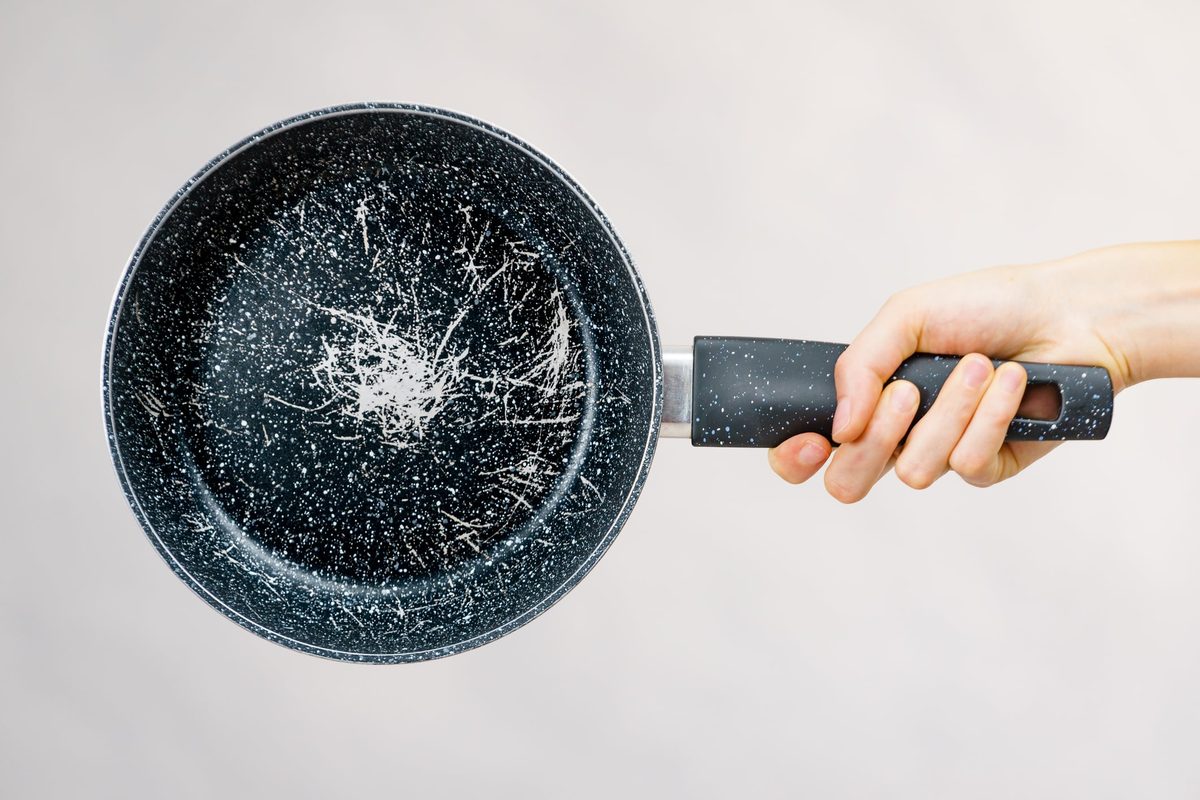
Every pan has a “comfort zone”. If you force it out of this area, you create invisible, irreversible weaknesses. Take, for example, heating an empty pan. This immediately causes brittleness of the coating. The materials are exposed to extreme temperature fluctuations. They expand. They contract. Suddenly, micro-scratches, warps or small bubbles appear out of nowhere.
Pouring cold water on a scorching hot pan causes a brutal thermal shock. It cracks the surface. The coating comes off. This will damage the metal structure itself, especially if you use models made of stainless steel, enameled cast iron or aluminum. The damage is immediate and often permanent.
Using metal utensils on a non-stick surface is just as deadly. Even a single scratch ruins the texture. The food starts to stick. Cooking will be uneven. And then there’s the dishwasher. The combination of constant moisture and abrasive cleaning agents wears down both the bottom and the edges. Careless stacking without fabric or felt parts accelerates scratching. It shortens the life of the whole set.
Reality is harsh. It’s not just material aging that ruins cookware. These are repeated mechanical, thermal and chemical shocks. From day to day.
Adopting the right habits for a long life
Caring for pans does not require effort or a large budget. Just a few tweaks. Here is the first reflex: heat the pan whenever there is already fat or food in it. Never empty. This protects the bottom and ensures a gradual rise in temperature.
For non-stick pans, choose utensils made of wood, silicone or heat-resistant plastic. They retain the coating. They keep the joy of cooking alive. No guilt.
After cooking, let the pan cool slowly to room temperature. Do not run cold water on it. Don’t stick it in a sink full of soap dishes. Hand washing is enough. Use warm water. Mild soap. A non-abrasive sponge. That’s all you need to remove the residue.
Avoid direct stacking during storage. Place a clean cloth or plain paper towel between them. It prevents scratches and cracks. These small gestures that you do every day can extend the life of your pans by several years.
Daily checklist
To make things easier, you need to do the following:
- Avoid heating the pan empty
- Use appropriate utensils (wood, silicone).
- Allow to cool before washing with warm water
- Hand wash with mild soap
- Protect the pans during storage
It is important to adopt these attitudes, especially in the winter when we cook more. It guarantees pans that are suitable for all culinary challenges of the season. From Christmas gratin to New Year’s crepe.
A sincere adherence to these good habits will make a radical difference in the longevity of your pan. This way you can still enjoy cooking. By questioning old automatons, everyone can combine economy and ecology with a more responsible kitchen.
What if the next star of winter was not raclette, but a pristine pan, ready to delight the family in a thousand ways?