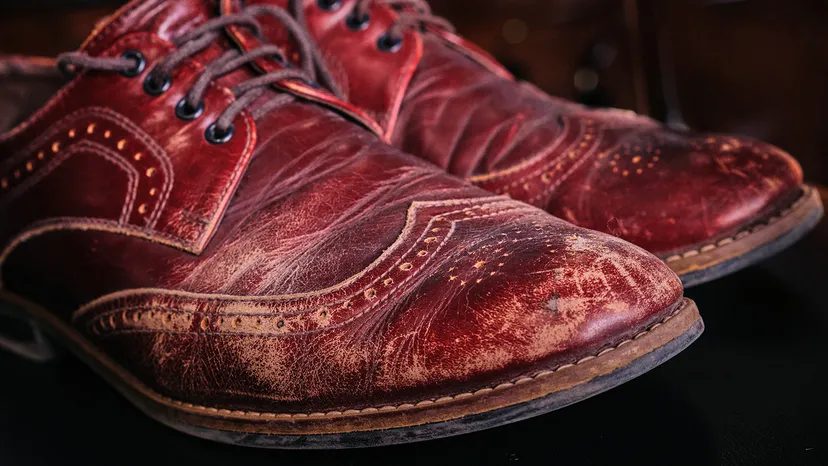
Your shoes take a beating. The soles grind against concrete. The toes bump into doorframes. Within days, those pristine leather uppers look tired. Scuffs accumulate fast. But you don’t need to toss them. You can fix them.
Before you grab any cleaner, pause. Test your method on a hidden spot. The inside tongue works well. Or try the heel counter. You need to know if the cleaner strips color or warps the finish. A quick test saves a ruined pair.
Once you’re sure it’s safe, here is how to tackle those marks.
Зміст
The Pencil Eraser Trick
Start simple. A standard white pencil eraser often works wonders. It’s abrasive enough to lift surface dirt but gentle on leather.
Hold the shoe steady. Rub the eraser over the scuff. Go in small circles. Don’t press hard. You just want to buff the mark away. Wipe away the rubber crumbs with a dry cloth.
If the scuff is fresh, this alone might clear it up. Move on to cleaning if it persists.
Toothpaste for Stubborn Marks
Next level? Toothpaste. Not the gel kind. The white paste. It contains mild abrasives.
Apply a small dab to a soft cloth. Rub it into the scuff gently. The paste lifts the dark residue from the leather grain. Wipe it off immediately. Do not let it dry. Residue is hard to remove later.
Follow up with a damp cloth to remove any remaining paste. Dry it naturally. Away from direct heat.
Baking Soda Paste
For deeper stains, make a paste. Mix baking soda with a few drops of water. It should be thick. Not runny.
Dip a soft brush or cloth into the mix. Apply it to the scuffed area. Scrub lightly. The baking soda acts as a gentle polish. It brightens the leather.
Wipe clean with a damp cloth. Dry thoroughly. Condition the leather afterward. Baking soda can be drying. You need to replace that moisture.
When to Stop
If the scuff remains after these steps, stop. You might be damaging the finish. Specialized leather cleaners exist for a reason. Or take it to a professional. They have tools you don’t.
You have clean leather now. Or at least, cleaner. What about the soles? That’s a different battle.
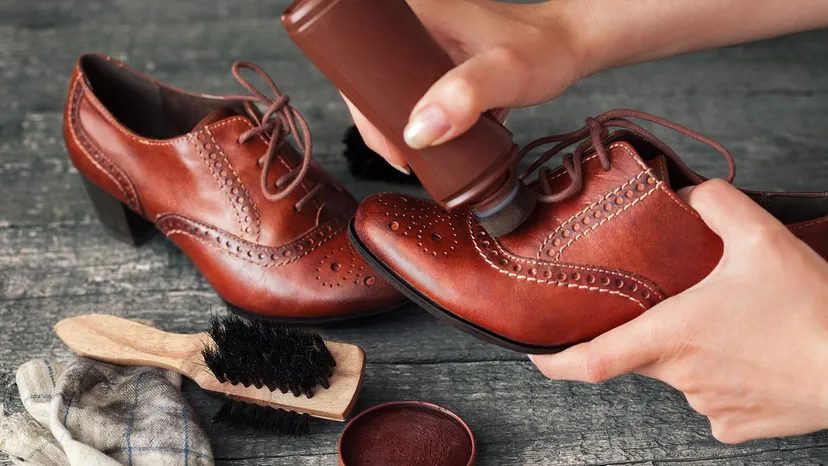

Leather is premium. It breathes. It lasts. But it isn’t invincible. Even the best leather shoes take a beating. Before you reach for a polish or a magic eraser, you need to strip the dirt. Use a clean cloth. Remove any grit. If you skip this, you’re just grinding mud into the grain.
The Leather Fix
Light scuffs are lazy marks. They often yield to simple friction. Grab a stiff shoe brush or a microfiber cloth. Rub the spot. Use some elbow grease. If the mark fades, you’re done.
If the scratch persists, you have to go deeper.
Heavier scuffs demand products. Start by wiping the shoe down with a damp cloth. Let it air dry completely. Wet polish fails. Once dry, apply a thin layer of shoe polish. Work it in. Then buff it out. You might need two or three coats. Don’t rush it. Each layer builds protection and color.
This is why you polish regularly. It’s not just for looks. It’s for survival. Dry leather cracks. Cracked leather scuffs permanently. Hydrated leather resists damage. Keep the material supple and the shoes look newer for years.
The Crocs Method
Crocs are weird. They’re made of Croslite foam. It’s proprietary. It’s resilient. It doesn’t crack like leather. But it does show marks.
For classic foam Crocs, forget the dryer. Use mild soap and cold water. You can spot clean. Or you can hand wash the whole thing. Cold water matters. Heat warps the foam.
Different materials need different love:
- Wool Crocs: Use a soft wire or plastic brush on the upper. Finish with a waterproofing spray.
- Fleece or Canvas Crocs: Stick to mild soap and a damp rag.
- All Crocs: Air dry. Always.
Never toss them in a washing machine or dryer. The agitation and heat destroy the shape.
Sneakers, Rubber, and Suede
Sneakers are the wildcards of shoe care. You have rubber soles. You have synthetic uppers. You might have suede or nubuck. Each reacts differently to scuff marks.
Rubber is tough. You can often scrub it with a magic eraser or a toothbrush and soapy water. The pores in rubber trap dirt. Agitate gently. Rinse well.
Suede is the enemy of water. Do not soak it. Do not use leather polish. You need a suede brush. Dry brushing lifts the nap and removes surface dirt. For tougher stains, use a suede eraser. Rub gently. Brush again. The goal is to lift the fibers back into place.
If you have canvas sneakers, treat them like the canvas Crocs. Mild soap. Damp cloth. Air dry. Stuff the toe box with paper towels to hold the shape as they dry.
The key across all materials is patience. Rushing leads to damage. Identify the material. Match the method. Respect the structure. Your shoes will thank you.
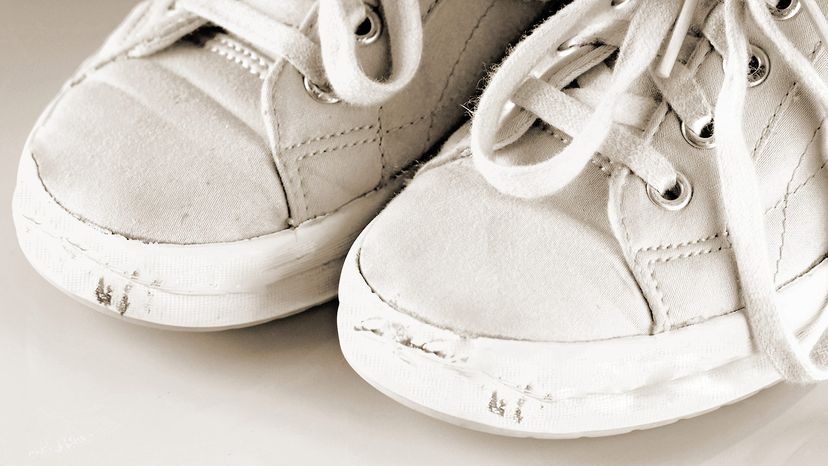
Sneakers made of rubber and suede don’t always need harsh chemicals to look new again. A Mr. Clean Magic Eraser often does the trick. The sponge is gentle when dampened yet shockingly effective at lifting scuffs. Wet the sponge, squeeze out the excess water, and gently scrub the mark. Use a damp cloth to wipe away any leftover residue.
For suede, a paste of white vinegar and baking soda works well. Mix them into a thick consistency. Apply it to the scuffed area. You may need to remove the vinegar smell after cleaning, but the suede will look fresh.
Removing Scuff Marks from Patent Leather and Vinyl
Patent leather Mary Janes don’t need to be discarded just because they have marks. Apply nail polish remover to a cotton ball or paper towel. Wipe away the scuffs with it. Do not apply the remover directly to the shoes. This method restores the shine quickly.
Vinyl shoes are easier to clean. Check your cleaning closet. Window cleaning spray brings back the shine and eliminates scuffs. 409 is another solid option. Spritz the spray onto a paper towel or directly on the shoe. Rub in a circular motion to lift the dirt.
Why Non-Marking Soles Matter
Shoes damage floors just as floors damage shoes. Tile and hardwood take the brunt of this abuse. Sports courts like tennis or basketball surfaces get messed up too. Many sports require non-marking soles to prevent this damage. It protects both the athlete and the court.
Frequently Asked Questions
Can scuff marks be prevented on shoes?
Yes. Applying a protective spray or polish to leather shoes creates a barrier against scuffs. Shoe inserts or pads also reduce friction and minimize risk.
How do I remove scuff marks from delicate shoe materials?
Use a soft brush or suede brush to gently buff away scuffs on suede. For patent leather, use a small amount of mild soap or specialized cleaner on a soft cloth. Gently wipe away marks. Avoid harsh scrubbing.