You’ve been there. Red solo cup in hand. Kneeling in the grass. Trying to wrestle a beer tap while your friends judge your form. It’s messy. It’s hot. The beer turns to foam faster than you can pour.
There is a better way.
Enter the home kegerator. It’s exactly what it sounds like: a fridge with a tap sticking out the front. But don’t let the simplicity fool you. A good home kegerator setup keeps beer cold, carbonated, and ready to pour without the backyard drama. It’s not just about partying harder. It’s about control.
The history is fuzzy. You might have seen early versions in the 1900s. Prohibition and two world wars killed the vibe for decades. Home brewing didn’t really take off until the 1980s. Since then? The demand for fresh, cold beer at home has skyrocketed.
But before you buy anything, you need to know how the machine actually works. It’s simpler than you think.
Зміст
How a Home Kegerator Works
Ignore the complexity. At its core, a home kegerator is just a pressure system. You are pushing beer out of a keg. You aren’t pulling it. You are pushing it with gas.
Here are the parts you need to understand:
- CO2 Cylinder : This is the engine. It holds the carbon dioxide.
- Regulator : This controls the pressure. Too high? You get foam. Too low? Flat beer.
- Coupler : The valve that attaches to the keg. It’s the bridge between the gas and the beer.
- Tubing : Two lines. One for CO2. One for the beer.
- Keg : The source.
- Faucet : Where the beer exits.
- Refrigerator : The cooling box.
The CO2 cylinder connects to the regulator. You dial in the pressure. The gas travels through tubing to the coupler. It presses down on the liquid in the keg. The beer is forced up and out through a separate line to the faucet.
The keg sits inside the fridge. The faucet hangs outside. Simple.
Why Temperature Matters
This is where the backyard setup fails. And where the home kegerator wins.
Beer spoilage is a real thing. But so is warm beer. Warm beer tastes like vinegar and regret.
You need to keep your keg cold. Most lagers and ales want to be stored between 36 and 40 degrees Fahrenheit (2.2 to 4.4 Celsius). Some stouts like it a bit warmer. Some IPAs prefer it colder. If you don’t know, stay in that 36-40 range.
If the temp is too high? The flavor breaks down.
If the temp is too low? The yeast goes dormant. The beer stops conditioning.
How do you check the temp?
Some fancy units come with digital gauges. Cheap? Put a glass of water and a thermometer inside. Wait an hour. Read the water. That’s your temp.
A proper home kegerator keeps beer fresh for at least a month. With good pressure and cooling, you can stretch that to four months. That’s less waste. Less money thrown out the window.
Types of Home Kegerators
So, you want one. But which kind?
You have options. You can buy a pre-built unit. You can rent one for a party. Or you can build your own.
Buying is the easiest path. You plug it in. You fill the gas. You pour. But it’s expensive.
Renting is good for a one-off event. But you’re paying for someone else’s convenience.
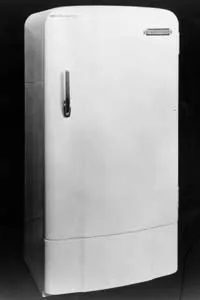
Building your own home kegerator is where the real fun starts. You take a standard fridge. You drill a hole. You install a tap. You wire in a cooler fan. It’s cheap. It’s customizable. And it teaches you how the system works.
But that’s a project for later. First, you need to know what you’re buying or building.
Next up, we break down the three main styles: under-counter, freestanding, and conversion kits. Each has pros and cons. Each requires different tools.
Pick your fighter.

Sourcing Your Home Keg System
You have options. If you just need beer for a single party, rent one. It’s cheaper. It’s temporary. But if you want fresh brew year-round, you have to commit. Buy a unit. Or build one.
Kegerators aren’t one-size-fits-all. They come in shapes and sizes. Some hold standard kegs. Some hold half-barrels. Some are built for home-brew enthusiasts, others for retail taps. Faucets can be on the side or top. The variables matter.
Building vs. Buying
If you’re handy with tools, a DIY build makes sense. Especially if you already have a dead refrigerator sitting in the garage. Or if you can find a used one cheaply. Retailers sell modification kits. They’re cost-efficient. But space is the bottleneck.
You need room for the keg. And the CO2 tank. And the tubing. Measure twice. Cut once. Ignore this, and you’ll have a fridge that fits nothing.
Matching Couplers to Kegs
The type of beer dictates the hardware. This is where people mess up.
Home-brewers usually use 5-gallon soda kegs. These are Cornelius kegs. They require a special ball-lock coupler. Retail beer from liquor stores is different. It uses larger kegs. And six different coupler types exist.
Most North American lagers use a “D” system. It’s the most common. But if you’re tapping a craft brew or a European import, the connector might differ. Your local liquor store can tell you exactly which coupler you need. Just tell them what you’re serving. Don’t guess.
Safety First: Pressure and Weight
Kegerators use pressurized gas. That means risks.
CO2 canisters must stay upright. Always. You can’t ship these. They’re filled locally. Paintball shops. Welding stores. Places that handle industrial gas.
Changing a keg requires procedure.
- Close the intake valve on the CO2 tank.
- Release all pressure.
- Disconnect.
- Swap the keg.
Skipping step one is dangerous. A room filled with escaping CO2 can make you lightheaded. Or sick. Worse, full kegs weigh up to 160 pounds. Don’t try to lift one alone. Get a friend. Or a dolly.
Maintenance: Clean Lines, Better Beer
Want great beer? Clean the system. Every time you change a keg.
Use a special line cleaner. Not water. Not hot water. Hot water warps beer lines. It ruins the pour. Use a dedicated cleaning solution. Flush it out with cold, clean water. Then run a few glasses of beer through the lines. This flushes the cleaner. Ensures no residue remains.
Bacteria spoils beer. Oxygen spoils beer. Cleaning kills bacteria. Keeping the CO2 system closed keeps oxygen out. Simple chemistry. Better taste. Longer shelf life.
The Cost Reality
Maintenance isn’t the only price. There’s the upfront cost. And the ongoing cost of CO2 refills. Kegs. Cleaning supplies. Is it worth it? We’ll break down the numbers next.
Is a Kegerator Worth the Investment?
If you’re planning to serve a large amount of beer, investing in a kegerator is usually more cost-efficient than constantly purchasing bottles or cans. The upfront cost is steep. A unit ranges from $200 to over $2,000. You also need to budget for carbon dioxide canisters. Those run about $20 initially, with refills costing between $7 and $12.
Full-sized kegs start around $70. They are recyclable and refillable. This eliminates the waste of individual cans or bottles.
Consider a full-size keg of a cheaper American brew. It retails for about $68.99. To buy a close equivalent in retail packaging, you’d need about nine 18-packs. Each pack costs $12.99. That brings your total to roughly $117 before tax.
The results hold up for various other beers too. Local micro-brews. Nationally recommended brands. The savings are consistent.
Running Costs and Efficiency
Although the kegerator in your home requires constant refrigeration, it shouldn’t cost any more to run than a normal fridge. In fact, it may consume less power. You open the door only when replacing the keg or cleaning the lines. You don’t open it every time you want a beer.
Having two refrigerators running will influence your electric bill, of course. But as a system, the kegerator is rather efficient with its power consumption.
Ultimately, the choice about purchasing a kegerator system comes down to how often you serve beer and how much of it is consumed. If you drink less than a half-keg a month, the math gets murky. If you host weekly game nights, it pays for itself.
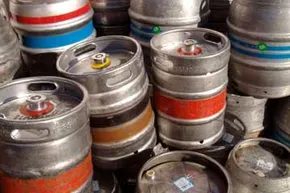
Which Size Keg Fits Your Space?
Kegs come in specific volumes. Pick the one that matches your fridge dimensions and your guest count.
- Home brew size: 5 gallons. Equals about 53 12-ounce beers.
- Quarter keg: 7.75 gallons. Equals about 82 12-ounce beers.
- Half keg: 15.5 gallons. Equals about 165 12-ounce beers.
Measuring these out manually is a nightmare. Buy the right size keg to save space and time.
Troubleshooting Common Kegerator Problems
Owning your own beer dispensing system in your home probably won’t come without its complications. Many problems can be fixed by simple upkeep and maintenance. But sometimes trickier issues crop up and affect the taste of your beer.
Temperature is critical. If your beer produces a sub-par taste, appears too foamy, or looks cloudy, the temperature might be off. It could be too high or too low.
Fix this by changing the refrigerator’s temperature to better accommodate the type of beer you’re serving. Or simply let the keg cool down more.
Many American lagers should be stored and served at about 38 degrees Fahrenheit (3.3 Celsius). Imports, stouts, and ales will vary. Check with your liquor distributor before setting up each keg to ensure you are preparing it properly.
Faulty Pouring Issues
Faulty pouring can also be caused by physical errors in your setup.
- A kink in the lines
- Incorrect length of hose for the beer line
- A loose connection somewhere in the system
Check the connection by making certain that the coupling is tight. Ensure air is not leaking in anywhere. If the beer line is causing trouble, replace it to ensure correct length.
Pressure and PSI Adjustments
An incorrect amount of pressure from the carbon dioxide can cause problems too. Keep an eye on the psi (pounds per square inch).
If the psi is too low, the beer will be flat. It will pour too slowly. If it’s too high, the beer will pour too fast. You’ll get excessive head, or foam at the top.
These problems likely result if the carbon dioxide regulator is improperly set. The pressure you need will depend on the type of beer you use. But many beers require about 12 psi to maintain a strong and consistent draft.
For more information on kegerators, pouring, and brewing beer, follow the links on the next page.
Related Articles
How Beer Works
How Refrigerators Work
How Food Preservation Works
How Hangovers Work
How do brewers measure the alcohol in beer?
How Alcoholism Works
How Breathalyzers Work
How Prohibition Worked
More Great Links
CAMRA: Campaign for Real Ale
Brew Your Own Magazine
Sources
Anheuser-Busch. “Beertender Guide.” 2006.
Anheuser-Busch. “Changing Nitrogen/CO2 Cylinders.” October 25, 2007.
Brew Your Own. “How long will my beer stay fresh in a keg?” May 2001.
Kegworks. “Draft Beer Systems.”
Kegerators.com. “History of the Kegerator.” April 10, 2008.
Micromatic. “Kegerator Door Kit Manual”
Micromatic. “Keg Tap Couplers Listing.”
Skypeck, Charles. “Your Own Draft System.” Brew Your Own. June 1995.