You grab a blowtorch expecting a simple tool. You get a chemistry lesson.
Professional setups use acetylene or MAPP gas mixed with oxygen. Homeowners usually stick to butane or propane. The difference matters. It dictates what you can burn, how hot it gets, and whether you blow yourself up.
Зміст
The Danger of Acetylene
Acetylene works. It burns hot. It cuts steel like butter.
But it is volatile. The chemical structure features a triple carbon bond. This bond holds massive energy. Ignite it, and that energy releases instantly.
The problem is stability. Acetylene explodes if pressure gets too high. You need to keep it between 15 psi and 29.4 psi. That is pounds per square inch. Small bumps? Shocks? The cylinder can detonate.
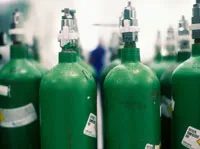
Manufacturers dissolve acetylene in acetone to stabilize it. You must store the tank upright. If it lies down, acetone leaks out. It hits the regulator. It ruins the hose. It clogs the torch head.
Acetylene is powerful but dangerous. Mishandle the tank, and you invite disaster.
Why MAPP Gas Is Safer
MAPP gas offers a different profile. It mixes methylacetylene with propadiene. It is not prone to explosion if dropped. It handles higher pressures.
This makes it ideal for underwater work. Ship repairs happen below the surface. MAPP gas stays stable where acetylene would fail.
The flame does not get as hot as pure acetylene. Some welders argue it performs better in practice. It meets or exceeds acetylene in many welding tasks. It is less finicky.
The Role of Pure Oxygen
Air contains oxygen. Why buy a compressed cylinder?
Air is only 21% oxygen. That is not enough. Pure oxygen acts as an accelerant. It forces the fuel to burn hotter.
Without compressed oxygen, acetylene and MAPP gas fizzle. They do not reach their potential temperature. The cylinder pushes the reaction forward.
Oxyacetylene torches produce the hottest flames available. The range sits between 5000°F and 6000°F. That is 2760°C to 3316°C. Nothing else matches that heat intensity.
Adding pure oxygen boosts acetylene by over 1000°F. It pushes MAPP gas up by more than 1500°F. The numbers are steep.
Safety First
Blistering flames require respect. You need to know what you are doing before lighting the gas.
Ignorance burns. Mistakes cost limbs. Check your seals. Verify your pressure regulators. Read the manual.
Alternative Light Source
Acetylene burns with a bright white light. It is so intense it once served as illumination.
The inventor originally saw it as a light source, not a heat tool. Electricity was unreliable. Mines and buoys needed reliable glow. Acetylene delivered.
Today, we use it for heat. The light is just a side effect. A bright warning sign.